
Enneagram
Type 2
Heart type, service-oriented
What it’s like being an Enneagram Type Two
Enneagram Type Twos get a sense of purpose from making others feel good and trying to meet others’ wants and needs.
This focus on the needs of others often gives Twos a bright disposition and makes them proactive, emotive types who can be stellar at any task as long as it benefits others. However, this others-focus can make them less connected to their interior wants and needs—which in turn can make them more prone to burn out, not setting boundaries, or even becoming jealous and aggressive toward others when the Two’s work has come to an end or they have given too much of themselves.

Leadership Strengths
Enneagram Type Twos tend to exhibit the following leadership strengths:
Generosity with time and energy, make excellent collaborators and shares successes as a group
Natural team-building skills that create connection and foster loyalty
Considerable awareness of relational dynamics in the workplace
The ability to make others feel seen, valued, and supported

Nicknames
“helper,” “giver,” “ “befriender,” or “pleaser.”
Watch Our Panel of Type Twos
See how other Enneagram Twos describe their type:
Types Twos and Pride
Inside the Heart Intelligence Center, Type Twos are connected to the core emotion of Pride.
Many Ennea-type Twos don’t recognize themselves as prideful. In fact, they often see themselves as selfless. The pursuit of connection gives them energy to show up generously and makes them incredibly attentive and supportive. However, Type Twos can often feel unsure of their own worth outside being needed, appreciated or "indispensable" to others.
Pride, for the Type Two, shows up as the unconscious belief that they know what others need — sometimes before those needs are spoken. Pride can appear as overextending, inserting help where it wasn’t requested, or struggling to receive help themselves. Because Twos often received the false message growing up that their needs were less important than others’, they learned to secure love by being useful to others.
For successful leaders, recognizing where giving is genuine versus where it is a strategy for something else is essential. Unacknowledged pride can undermine trust, especially if generosity becomes conditional or regularly leads to burnout. Emotional awareness helps Twos lead from authenticity rather than obligation.



Type Twos’ Arrow Movement
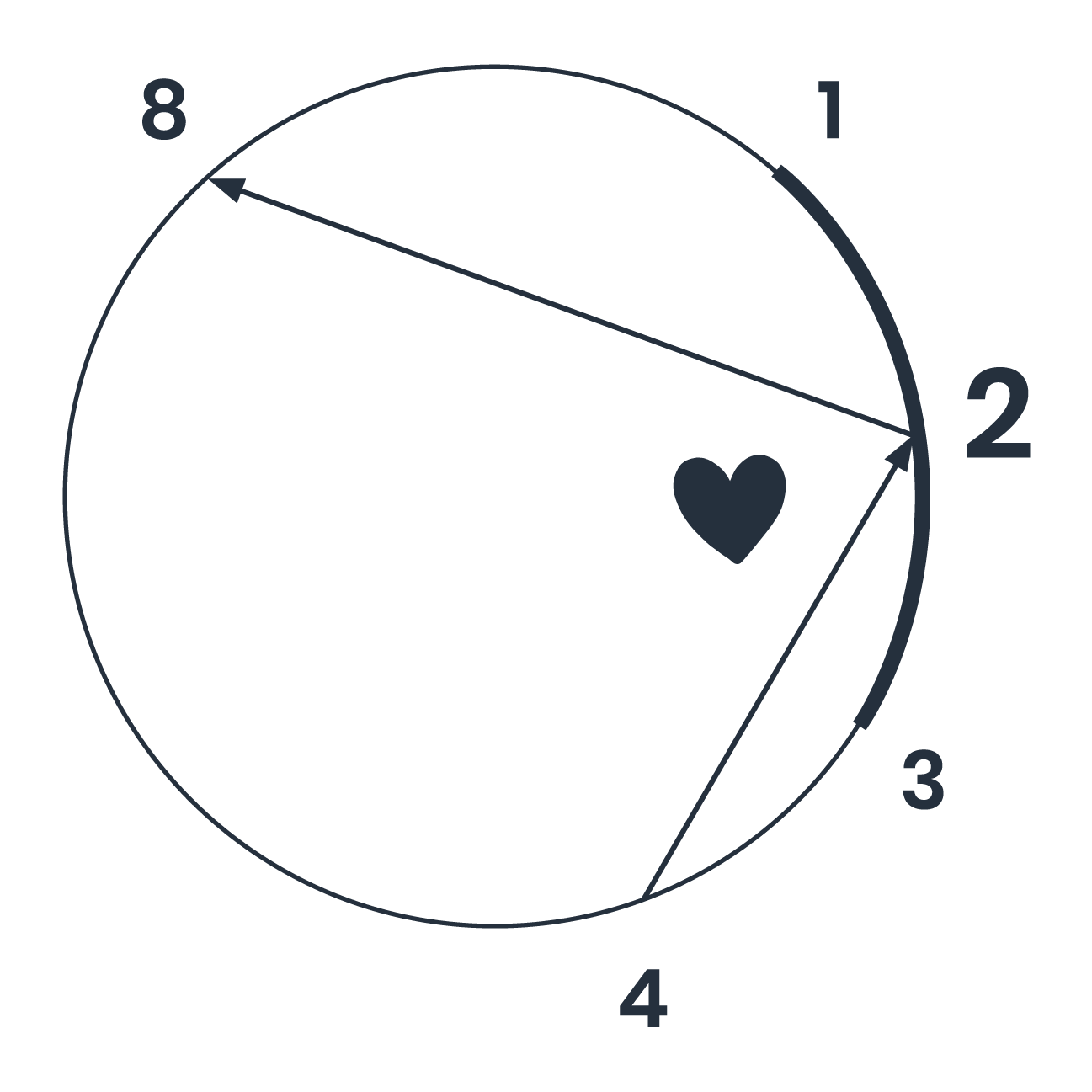
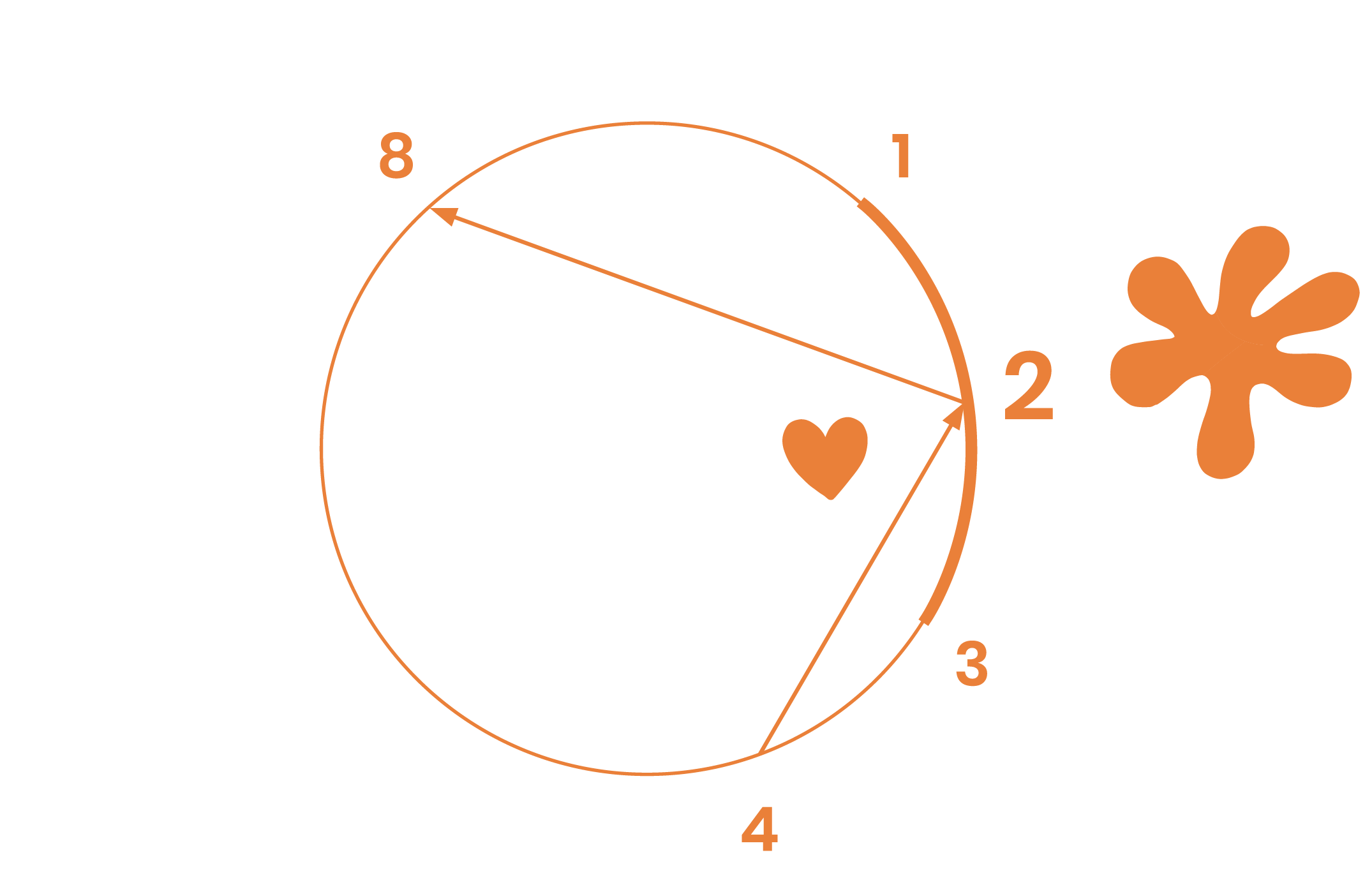
Enneagram Twos move toward Type Eight when under stress.
This means they can become more forceful, controlling, or confrontational. The normally warm and accommodating Two may express frustration directly and sometimes unconsciously with irritable comments or a sharper tone.
In contrast, Enneagram Twos move toward Type Four when growing or in moments of ease.
This means they become more introspective and emotionally honest about their own needs and identity. Rather than defining themselves through others, they begin exploring who they are apart from what they do for others and become more willing to express vulnerability, lean on others, and simply have opinions that aren’t connected to what they think others in the group will want to hear.
Type Two Subtypes Explained
Many folks know the Enneagram by their dominant type — for example, they might say, “I am an Ennea-type 2.”
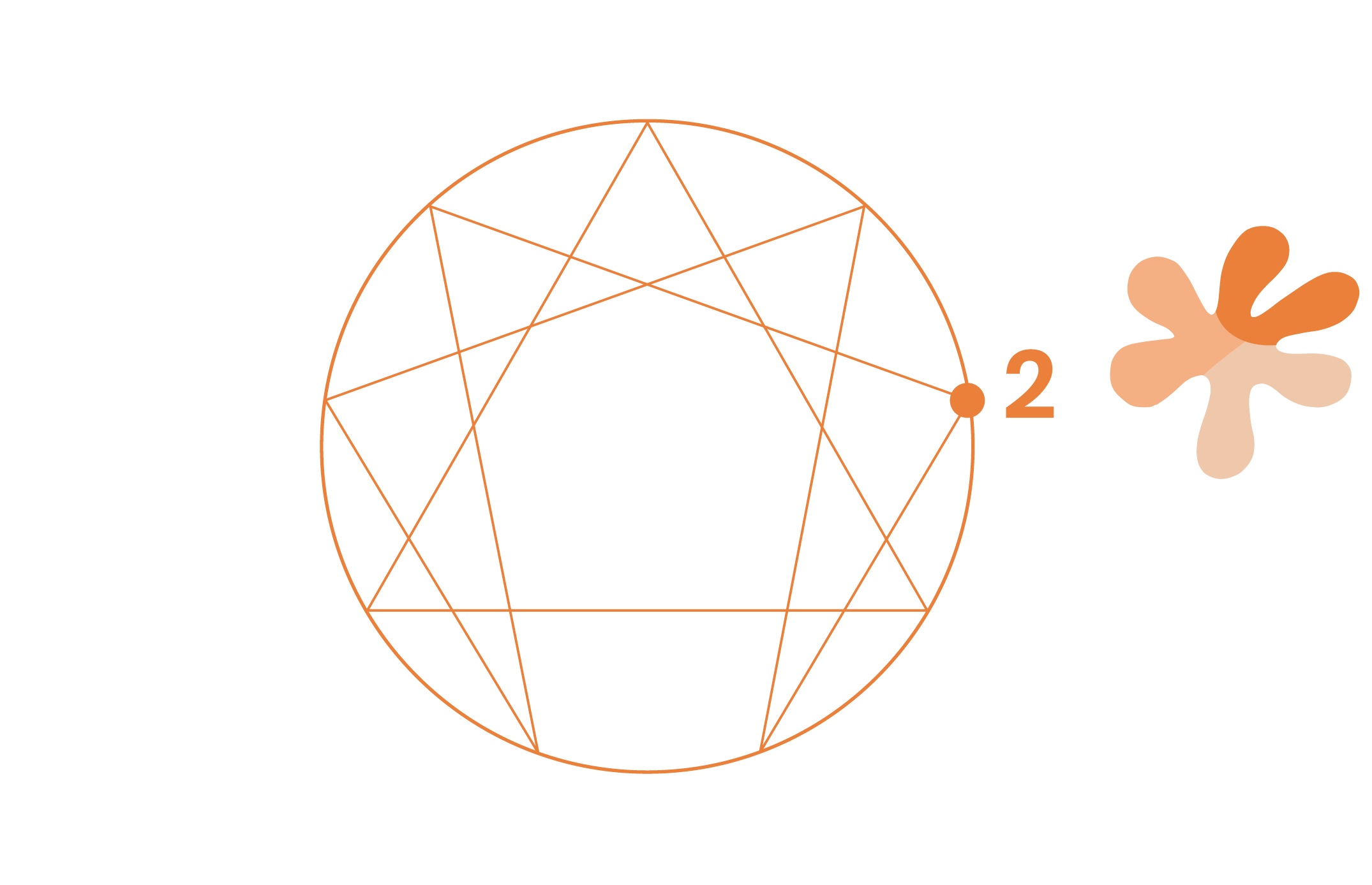
But inside each of the nine, core Enneagram types, there are three instinctual biases.
This means there are actually three, not one, type of Enneagram Type Two. This is also true for all other Enneagram types.
Here are the three instincts:
Do you identify as an Ennea-type Two? If so, you contain all three of these instincts in your personality.
But only one is dominant, or stronger than the others, making that your subtype.
Self-Preservation (SP)
This subtype acts like a child in the presence of others to encourage others to take care of them. This type adopts a youthful stance as a way of receiving special treatment beyond childhood. Being the countertype & named “privilege”, they desire to be loved for who they are and tend to act more playful and irresponsible.
(countertype)
Social (SO)
This subtype seduces environments or groups - a powerful, leader type whose pride manifests as a sense of conquest of an audience. Pride in the subtype, is more obvious, as the cultivate an influential image, worthy of admiration. Named “ambition” after desire to be on top. They can sometimes look similar to an Enneagram Type Three.
Sexual/ One-to-One (SX)
As a way of getting their needs met and feeding pride, this subtype seduces specific individuals. They are familiar with knowing how to get whatever they want by modes of tuning into what the other needs & wants and adapting their presentation. They are a strong force of nature, an irresistible character, who inspires great passions.
Enneagram Type Twos at Work
How to Get the Best Out of an Ennea-type Two Teammate or Leader
Acknowledge their contributions with specificity and sincerity.
Invite them to share their needs — and mean it.
Encourage boundaries and working at a sustainable pace.
Don’t assume they’re “fine” just because they’re smiling.
Express appreciation directly rather than indirectly.
Practical Somatic & Daily Leadership Practices
What can you do this week knowing this is your Enneagram type?
Try to be mindful while offering help — ask, what outcome you are hoping for?
Notice when and where resentment builds in your body.
Practice stating a need without softening it.
Allow someone else to support you and ask for help (this takes time to learn how to do).
Identify one desire per workday that has nothing to do with anyone else, but focuses on what you want.
Potential Blindspots
Over-giving in order to gain a sense of belonging
Difficulty receiving help
Taking on others’ emotions as their responsibility when it is harmful to do so
Not vocalizing discontent or valid critique out of a desire to be optimistic
Burnout from unspoken expectations
Growth Questions
At Sway, we subscribe to the age-old wisdom, that the quality of questions we ask in a large part determines the outcome and trajectory of one’s development. In that vein, here are some personal reflection questions for Type Twos:
Who am I when I am not supporting and thinking about others?
What do I need today? How can I take action on that before attending to anyone else’s needs?
What boundaries would protect my energy?
Where might honesty deepen a relationship more than helpfulness?
How can I trust others to assist me even if I don’t think I’ve earned it?

Self-Leadership Mantra
“I am valuable not because I give, but because I am. My needs matter as much as anyone else’s. When I honor my own limits and desires, my generosity becomes clean, joyful, sustainable, and truly better for everyone. By receiving as openly as I give, I create dynamic relational environments rooted in equality, empathy, and trust.”
Learn about other Enneagram Types: