
Enneagram
Type 5
Head type, knowledge-oriented
What it’s like being an Enneagram Type Five
Enneagram Type Fives seek competence and try to attain it through the accumulation of knowledge and preservation of their time and energy.
Type Fives spend time observing, gathering knowledge, mastering concepts, and preserving energy. As the Type Five accumulates a vast web of information, this can make them a well of understanding, clarity, and smart independent thought. They can also feeling weighed down by this amount of information that they carry. This causes the Type Five to feel that their internal resources (such as time, energy, and emotional capacity) are severely limited and must be carefully guarded. This dynamic can cause them to withdraw further in order to think, recharge, and prepare — sometimes straining relationships or leading to “analysis paralysis.”

Leadership Strengths
Enneagram Type Fives tend to exhibit the following leadership strengths:
A massive aptitude for researching information
Deep analytical thinking and strategic insight into a variety of problems
When self-aware, the ability to consider a problem from a removed vantage point
Intellectual independence and specificity

Nicknames
The Investigator
The Observer
The Thinker
Watch Our Panel of Type Fives
See how other Enneagram ones describe their type:
Type Fives and Avarice/Greed
Inside the Body Intelligence Center, Type Ones are connected to the core emotion of Anger.
Inside the Head Intelligence Center, Type Fives are connected to the core problem of avarice or greed.
For Type Fives, this greed isn’t for material objects but is a greed in regard to the hoarding of energy and time. In fact, many Enneagram Type Fives limit their material possessions in order to further protect time, energy, and the emotional aloofness sometimes required to attain more raw information. Enneagram Type Fives live with a constant concern about depletion — not having enough knowledge, energy, privacy, or capability to meet the demands of the world. Rather than expressing fear outwardly, they manage it by preparing, studying, and minimizing needs.
For successful leaders and team members, discerning the line when preparation becomes avoidance is essential. Abstract knowledge can work as a protective shell, but it can also keep you from deeper forms of knowledge that come from being in the world in a more unprocessed, relational, gut-level way. Moreover, trust and good communication is required for knowledge to become meaningful to others, and trust grows from presence, relationship, and accessibility.



Type Fives’ Arrow Movement
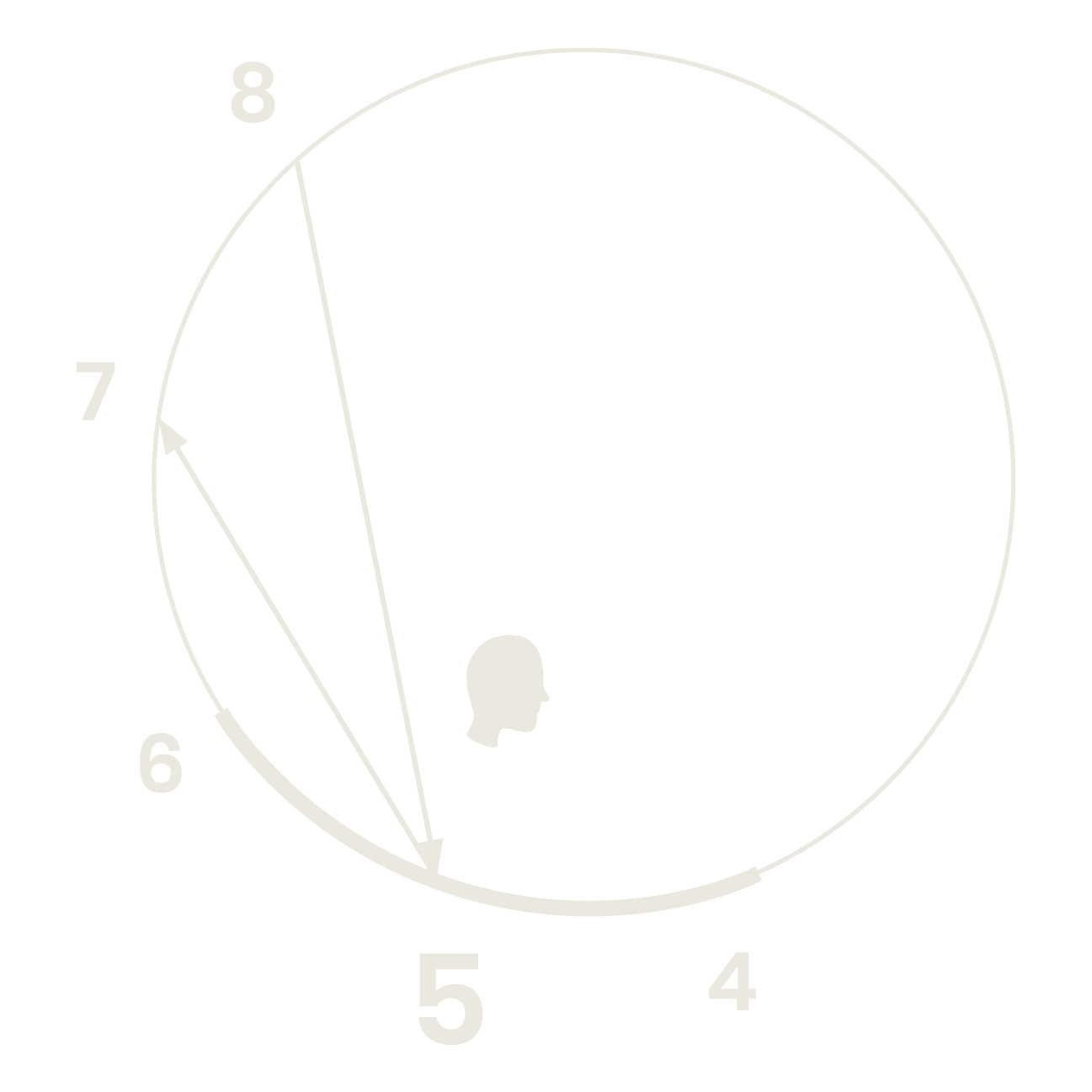
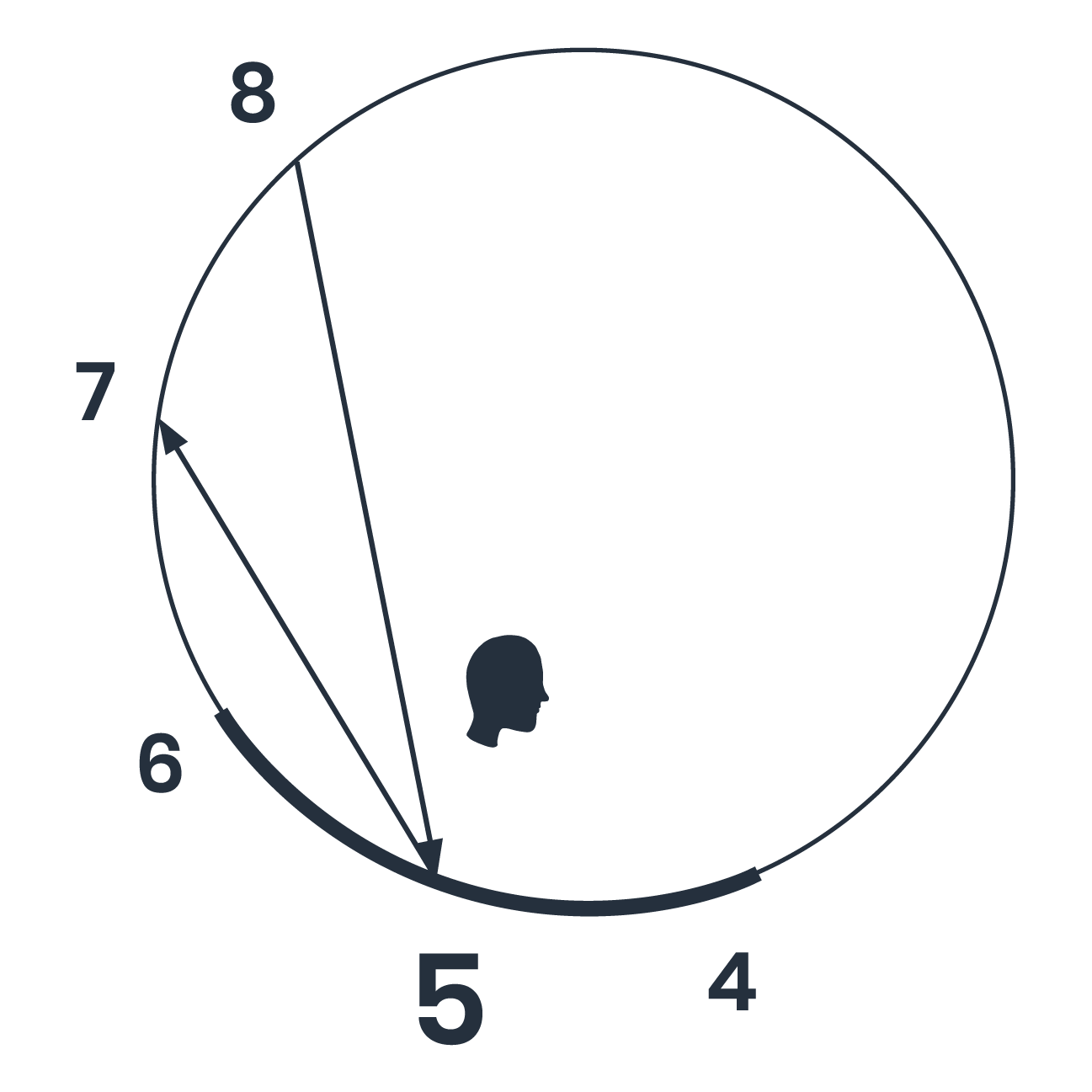
Enneagram Fives move toward Type Seven when under stress. This means they can become scattered, impulsive, or overstimulated. The typically reserved Type Five may suddenly seek distraction or jump between ideas too quickly. This movement may be accompanied by mental overwhelm, difficulty focusing, headaches, escaping into entertainment or ideas, restlessness or anxiety.
In contrast, Enneagram Fives move toward Type Eight when growing or in moments of ease. This means they become more decisive, embodied, and willing to take up space. Rather than staying in analysis, they move into confident action and may be exaggerated or initiate conflict as a form of playfulness. Growth often looks like a willingness to act intuitively without thinking everything through. When this happens, the Type is more likely to speak up directly, take leadership roles, act at the drop of a hat, and trust their instincts.
Type Five Subtypes Explained
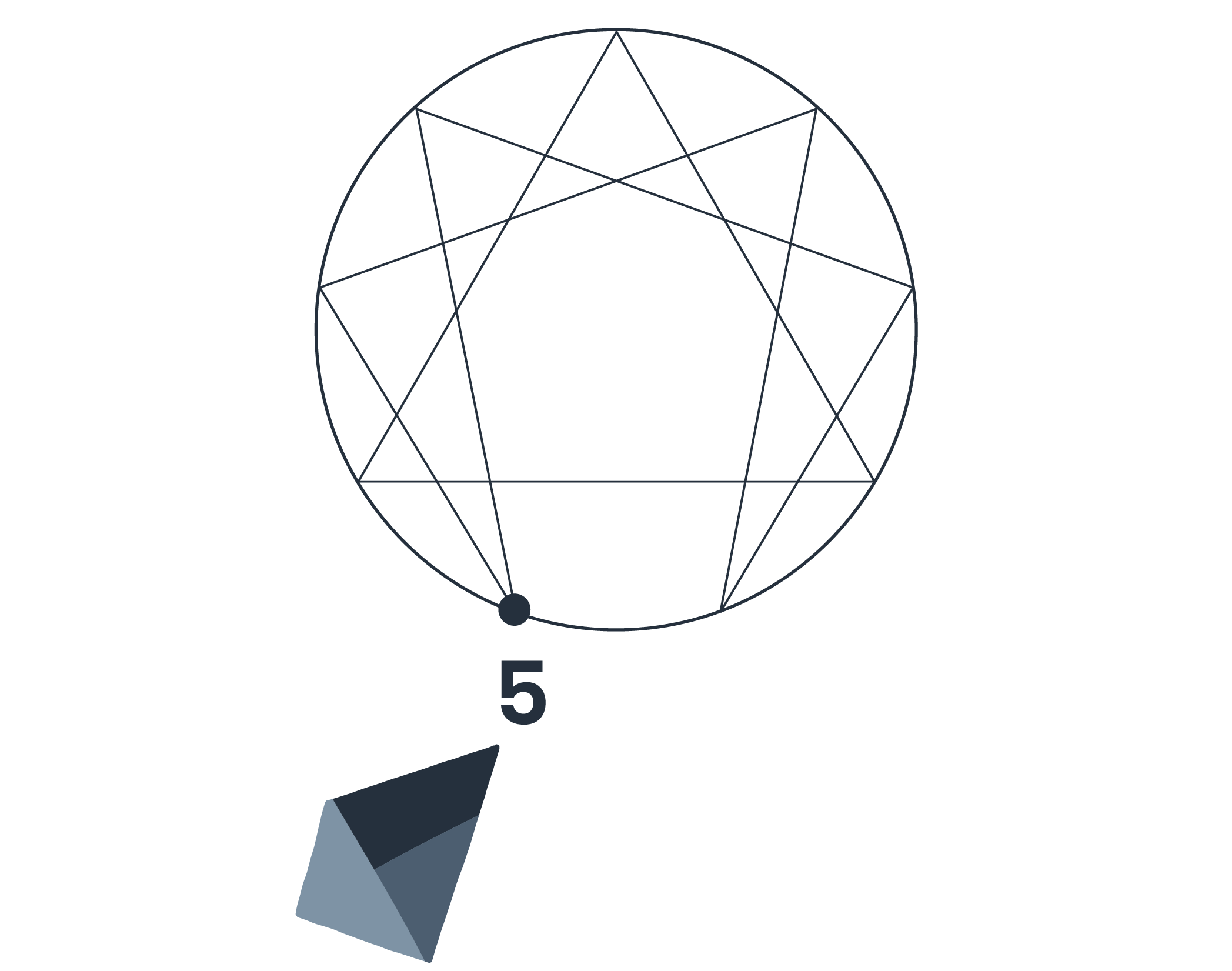
Many folks know the Enneagram by their dominant type — for example, they might say, “I am an Ennea-type 5.”
But inside each of the nine, core Enneagram types, there are three instinctual biases.
This means there are actually three, not one, type of the Enneagram Type Five. This is also true for all other Enneagram types.
Here are the three instincts:
Do you identify as an Ennea-type Five? If so, you contain all three of these instincts in your personality.
But only one is dominant, or stronger than the others, making that your subtype.

Self-Preservation (SP)
Known as “Castle” this type expresses their need for sanctuary through setting up both physical and emotional walls for themselves. They carry a need to be “encastled” in a place of safety where they feel free from intrusion. This allows them to exercise complete control over their boundaries. The avarice of this Type Five takes its form in the need to be overly self-sufficient.
Social (SO)
The Social Five, nicknamed “Totem”, expresses avarice through grandiose “super-ideals.” They tend to relate to others through common interests and shared values; feeling connected through knowledge and not emotion. They don’t want life to feel meaningless, so they seek “ultimate meaning” and idealize experts in fields of interest that are important to them.
Sexual/ One-to-One (SX)
Sexual Fives express avarice through a search for a paragon of absolute love. This Type Five, nicknamed “Confidence,” has a romantic streak and are the most emotionally sensitive of the Fives. They seek fulfillment through finding a partner who embodies an ideal person to trust with the interior world they’ve accumulated for themselves. This 1:1 connection is often expressed through art and this type tends to suffer more.
(countertype)
Enneagram Type Fives at Work
How to Get the Best Out of a Ennea-type Five Teammate or Leader
Provide clear expectations and advance notice of changes.
Be sure to use clear and concise language when communicating, and limit unnecessary communications.
Respect their need for autonomy and uninterrupted time.
Tap into the Type Five’s vastness of knowledge and information — they’ve likely thought deeply about it.
Avoid pressuring them for immediate emotional responses.
Practical Somatic & Daily Leadership Practices
What can you do this week knowing this is your Enneagram type?
Notice when you feel the need to retreat or get quiet, what is happening in your body?
Share one unfinished idea with a partially trusted other and don’t wait until it’s perfect.
Meditate and try pushing your thinking mind down physically into your stomach.
Make a list of relationships and spend time with each person on that list.
Engage in physical activities during work breaks: Go for walks. Eat. Stretch.
Be transparent when you need quiet time away to “recharge.”
Potential Blindspots
Valuing analysis over action
May fail to make others feel relationally valued
Coming off as dismissive of others who don’t seem as intellectual
Being overly detached from situations that require emotional input
Growth Questions
At Sway, we subscribe to the age-old wisdom, that the quality of questions we ask in a large part determines the outcome and trajectory of one’s development. In that vein, here are some personal reflection questions for Type Fives:
What is enough knowledge and expertise for my current period of life?
Which relationships might benefit my ability to access the world?
What experiences and feelings cause me to withdraw? What events in my past are those experiences similar to?
How can I make myself useful to team members and those I care for?
Where does my expertise empower my team — and where does it distance me?
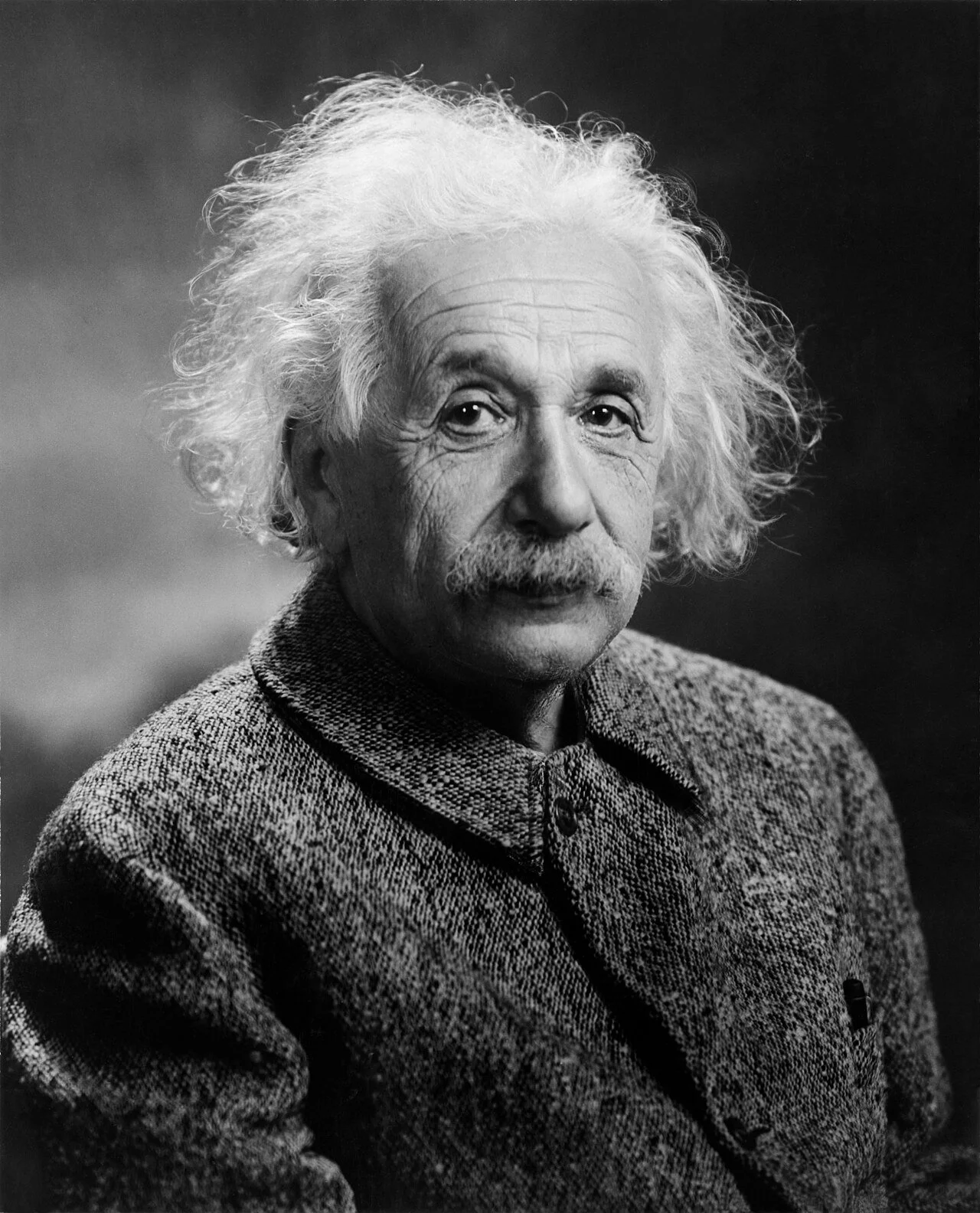
Albert Einstein
Self-Leadership Mantra
“I have enough for the moment. Preparing is important, and acting is important. By balancing thoughtfulness with presence, I lead with clarity, strength, and quiet confidence. I am generous with my time. I have more than enough energy and knowledge for the challenges ahead of me. I care deeply about those who are in my sphere of care.”
Learn about other Enneagram Types: