
Enneagram
Type 6
Head type, security-oriented
What it’s like being an Enneagram Type Six
Enneagram Type Sixes are persistent analyzers who are driven by an uncertainty about authority figures, systems and possible future scenarios.
Enneagram Sixes are analytical types that have an innate sense that strength and safety comes through the group. They are loyal, dependable, and constantly aware of how themselves and those they care about are affected by outside systems. Therefore, they are constantly scanning the world (including authority figures) for things that others might miss. This allows them to foresee obstacles before others do and to prepare thoughtfully. However, due to this constant mental scanning, Type Sixes can often feel insecure, over-anxious, or seeing only worst-case scenarios that never come about.

Leadership Strengths
Enneagram Type Sixes tend to exhibit the following leadership strengths:
Strong risk assessment and contingency planning
Deep loyalty to their teams and organizations
Commitment to fairness and shared responsibility
A social glue that holds groups and families together in times of stress
Courage that emerges in moments of real crisis

Nicknames
“The Loyalist,” “The Guardian,” or “The Skeptic.”
Watch Our Panel of Type Ones
See how other Enneagram ones describe their type:
Type Sixes and Fear
Inside the Head Intelligence Center, Type Sixes are connected to a core struggle with Fear.
For the Ennea-Type Six, fear is often subtle and persistent and shows up in the form of constant scanning for potential threats. Type Sixes feel uncertain about whether they are truly safe and supported, and their worries about this can run constantly in the background — leading them to second-guessing themselves and others or even testing relationships to confirm reliability.
At some point, Type Sixes learned that the world is unpredictable and that security comes through alliances, systems, preparation, and aggression, if necessary. Fight, flight, plan, or freeze becomes the norm. For successful leaders, combating fear often starts with acknowledgement and then coming up with a system to discern when the drive to scan for threats is warranted and when it gets in the way of something deeper like simple presence and enjoyment. This discernment will also help you and those working with you not to waste energy on unfounded threats.



Type Sixes’ Arrow Movement
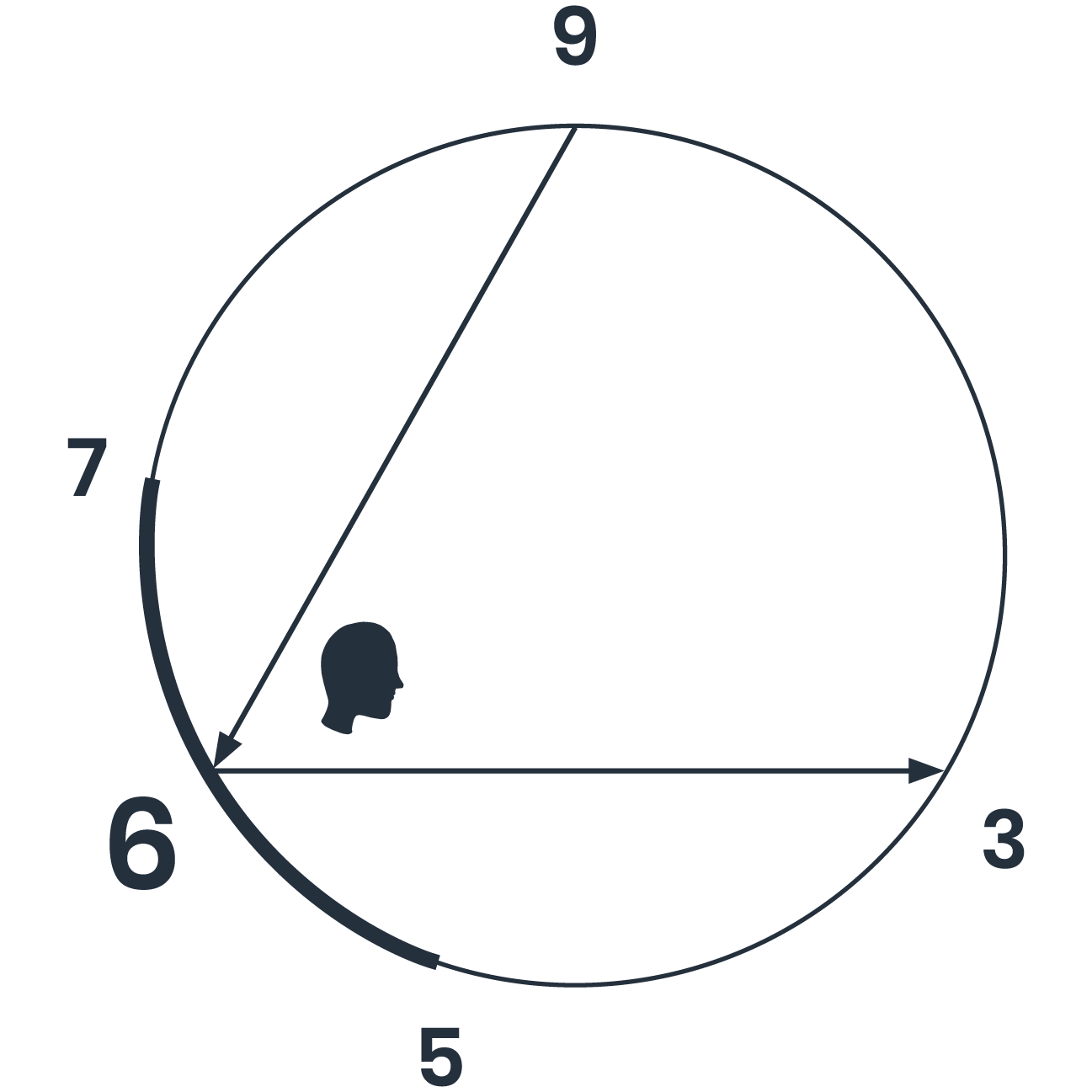
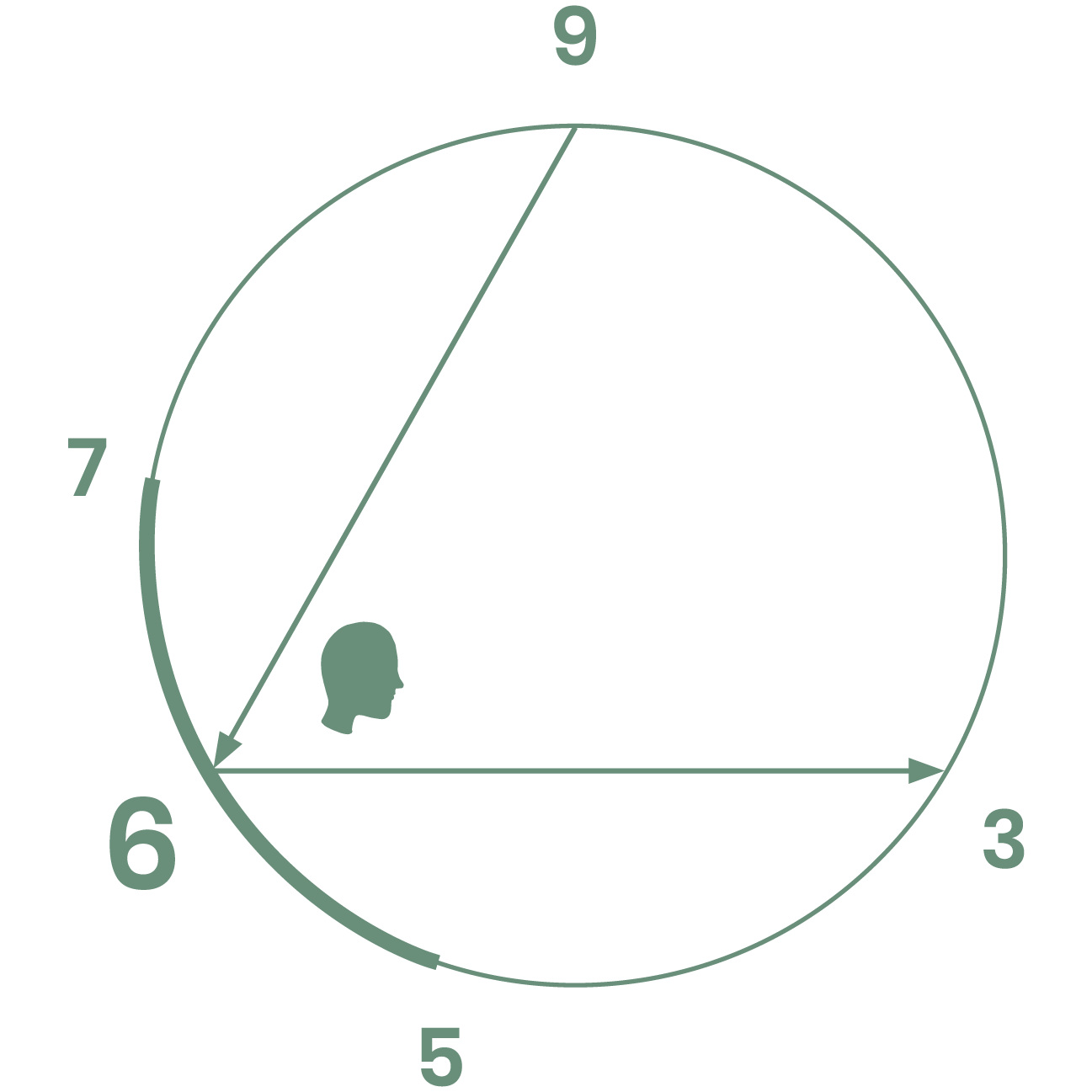
Enneagram Type Sixes move toward Type Three when under stress.
Enneagram Type Sixes move toward Type Three when under stress. This means they can become disconnected from their own instincts and start following some form of popularized social script in order to get a sense of safety and validation. This may lead them to overworking to deal with anxiety, tuning out from their emotions, and hiding anything but the most agreeable personality traits and feelings.
In contrast, Type Sixes move toward Type Nine when growing or in moments of ease.
This means they become more grounded, calm, and trusting. The Type Six become better at holding nuanced situations without immediately needing to orient toward safety and can even just feel relaxed and in their body. The constant scanning has been replaced by an inner steadiness and certainty that they will be able to respond adequately to whatever life throws their way.
Type One Subtypes Explained
Many folks know the Enneagram by their dominant type, for example, they might say “I am an Ennea-type 6”.

But inside each of the nine, core Enneagram types, there are three instinctual biases.
This means there are actually three, not one, type of the Enneagram Type Sixes. This is also true for all other Enneagram types.
Here are the three instincts:
Do you identify as an Ennea-type Six? If so, you contain all three of these instincts in your personality.
But only one is dominant, or stronger than the others, making that your subtype.
Self-Preservation (SP)
Known as “Warmth”, this subtype expresses fear through friendship. They desire to band together with people in order to create protective alliances. The SP6 therefore expends a lot of energy trying to be warm, friendly, trustworthy, and well-liked. This subtype often has difficulty expressing anger. They can also often be uncertain, noticeably second-guessing and expressing self-doubt.
Social (SO)
Named “Duty”, this subtype deals with anxiety through abstract reasoning. By using ideologies as a frame of reference and obeying the ideological “authority,” they feel more safe in the world. This type “knows the rules” and can externally comes across as “too sure” of themselves. However, they do this as a way of coping with the underlying uncertainty that they feel. The SO6 subtype tends to be more precise and follow guidelines compared to the other sixes.
Sexual/ One-to-One (SX)
Nicknamed “Strength and Beauty,” this subtype copes with fear by becoming strong and intimidating. They trust themselves more than other Type Six subtypes and have an inner programming that tells them the best defense is a good offense. They have a powerful stance in what they do and how they look in order to hold the enemy at a distance. For the SX6, anxiety is allayed through skill and readiness for attack.
(countertype)
Enneagram Type Sixes at Work
How to Get the Best Out of a Ennea-type Six Teammate or Leader
Create space for this type to ask questions about their work or new information.
Be clear and consistent with language.
Follow through on commitments and follow up after meetings.
Provide reassurance grounded in specific facts, not platitudes or feelings.
Keep them from procrastinating by encouraging action instead of thought and setting a specific time and place.
Practical Somatic & Daily Leadership Practices
What can you do this week knowing this is your Enneagram type?
Notice when your mind jumps to worst-case scenarios.
Try to offer a potential solution every time you offer negative critique or voice a concern.
Have set times throughout the day that you meditate and calm your nervous system.
Share deadlines you have set for yourself and have trusted others keep you accountable.
Set aside regular times throughout the day to reflect on evidence of safety, good, and beauty in the world.
Potential Blindspots
Problem-solving may turn into unnecessary “problem-seeking”
Worries and doomsday projections become self-fulfilling prophecies
Adherence to “trusted processes” may make others see you as rigid
Strained relationships from constantly testing loyalty
Heightened procrastination due to “analysis paralysis”
Growth Questions
At Sway, we subscribe to the age-old wisdom, that the quality of questions we ask in a large part determines the outcome and trajectory of one’s development. In that vein, here are some personal reflection questions for Type Sixes:
What is the best evidence I’ve seen of good in the world?
What would calm action feel like in my body today?
Who in my life has proven themselves trustworthy to me, and how do I acknowledge that in words and actions
What is possible, but in a good way
How can I make my questioning mind a benefit to those around me?

Self-Leadership Mantra
“My questioning mind is astute and deserves to rest. There are people in my life whom I can trust, and trusting them is my responsibility. I have enough wisdom to meet the future moment, whatever it contains. Trust begins with me. I can be a pillar for my community as long as my wisdom is grounded in courage and honesty.”
Learn about other Enneagram Types: