
Enneagram
Type 7
Head type, enthusiasm-oriented
What it’s like being an Enneagram Type Seven
Enneagram Type Sevens have a strong inner drive toward possible future satisfaction that causes them to optimistically seek out variety and excitement.
Type Sevens are serial optimists who focus on keeping life open, exciting, and full of options. This focus gives them a lot of enthusiasm, creativity, and visionary thinking that easily wins others over. They also often see opportunities where others see obstacles. However, such a strong orientation toward positivity can cause them to move too quickly between ideas, avoid difficult emotions in the present, or flee from mundane daily tasks. This cycle stops only when the Type Seven realizes that living in the (less-fun) present is the only way to actualize their ideas, or when they are forced to dwell in discomfort by personal commitments or difficult life circumstances.

Leadership Strengths
Enneagram Type Sevens tend to exhibit the following leadership strengths:
Leads with a positive can-do attitude and inspires others to do the same
Big-picture, innovative thinking with a strong ability to ideate
Really good at celebrating successes – an undervalued skill
Has the ability to reframe obstacles and turn them into beneficial constraints

Nicknames
The Enthusiast
The Visionary
The Adventurer
Watch Our Panel of Type Sevens
See how other Enneagram ones describe their type:
Type Sevens and Gluttony
Inside the Head Intelligence Center, Type Sevens are connected to a core struggle with Gluttony.
For the Ennea-Type Seven, gluttony shows up as the desire to keep open all avenues for possible future pleasure. In describing this core struggle with “gluttony,” the Enneagram isn’t necessarily talking about excessive eating, drinking, or excess in other pleasures (though these may be present). Rather, the gluttony being described is more about the fear of any limitation when it comes to present or future enjoyment.
As children, many Type Sevens experienced their early life circumstances as overly confining and then determined to never feel that “trapped” ever again. As adults, this may lead them to be constantly trying new things, to want to change plans at a moment’s notice if something sounds “more fun,” and to perpetually keep their options open.
For successful leaders, however, it becomes important to recognize when continual change and variety becomes a detriment to the overall quality and meaning of one’s work, relationships, and life. The consistently-followed, singular path forward (though less fun) leads to meaningful places that a variety of paths can’t. Discernment and awareness helps the Type Seven still have fun while going beyond the gluttonous forms of enjoyment to a joy that is more subtle and pure.



Type Sevens’ Arrow Movement
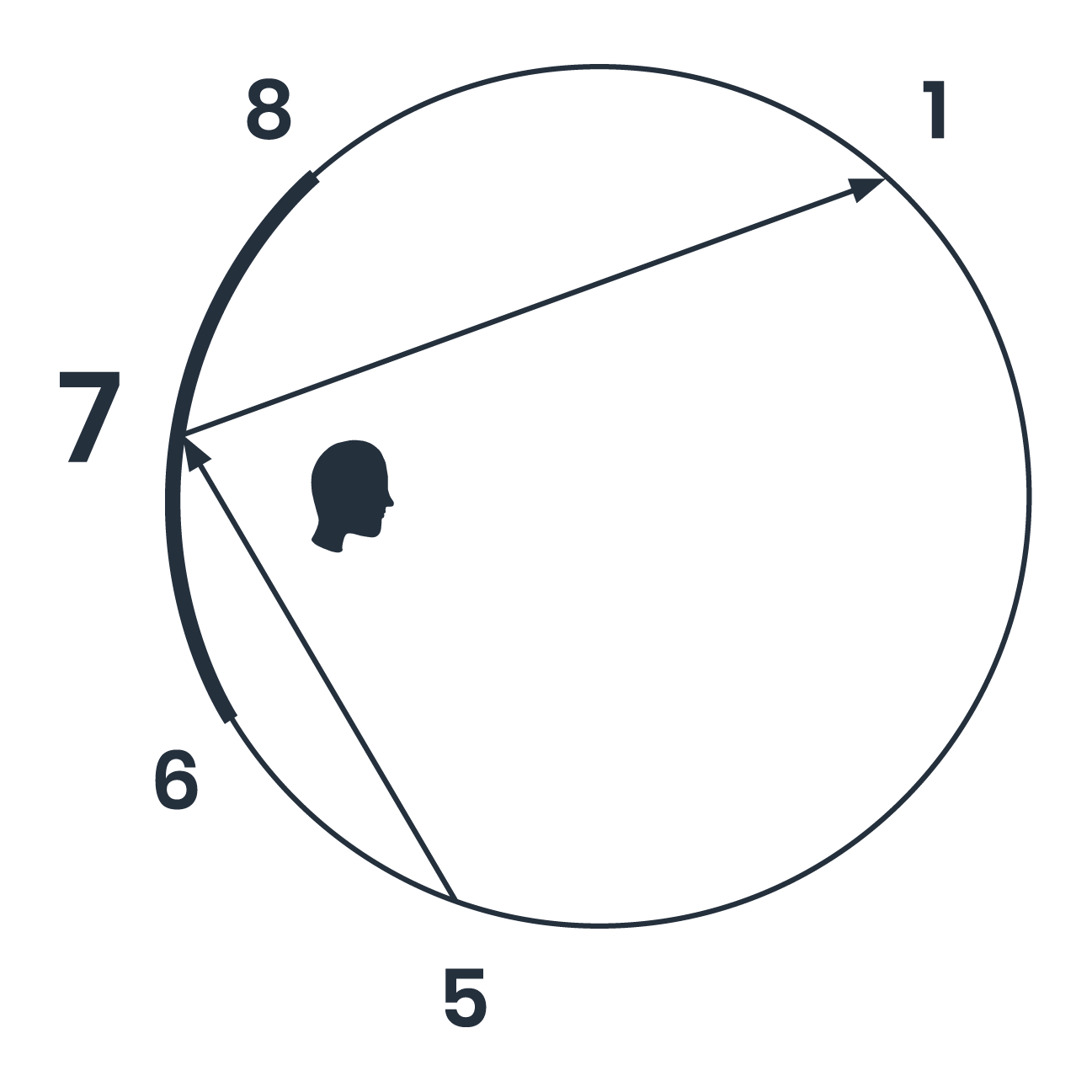
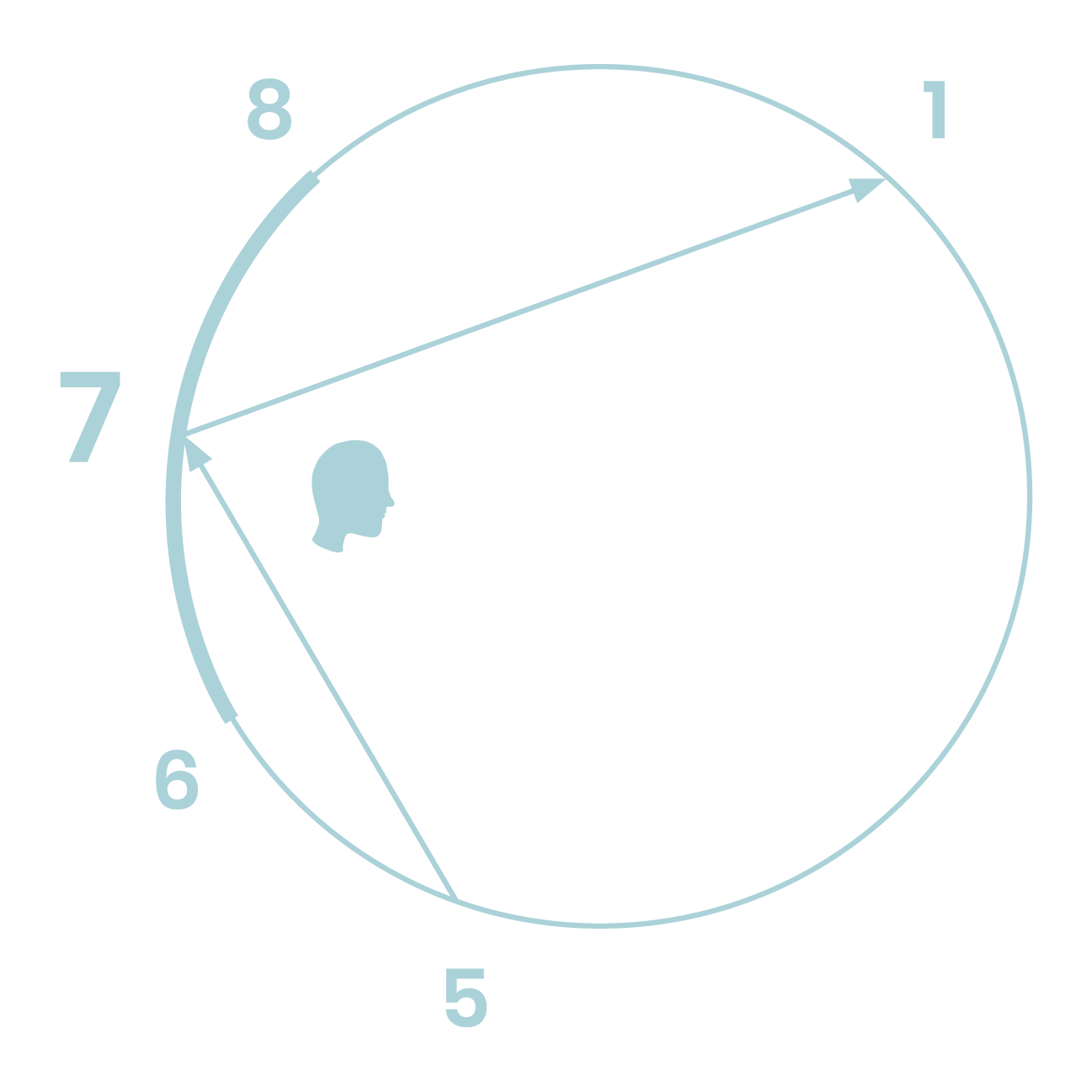
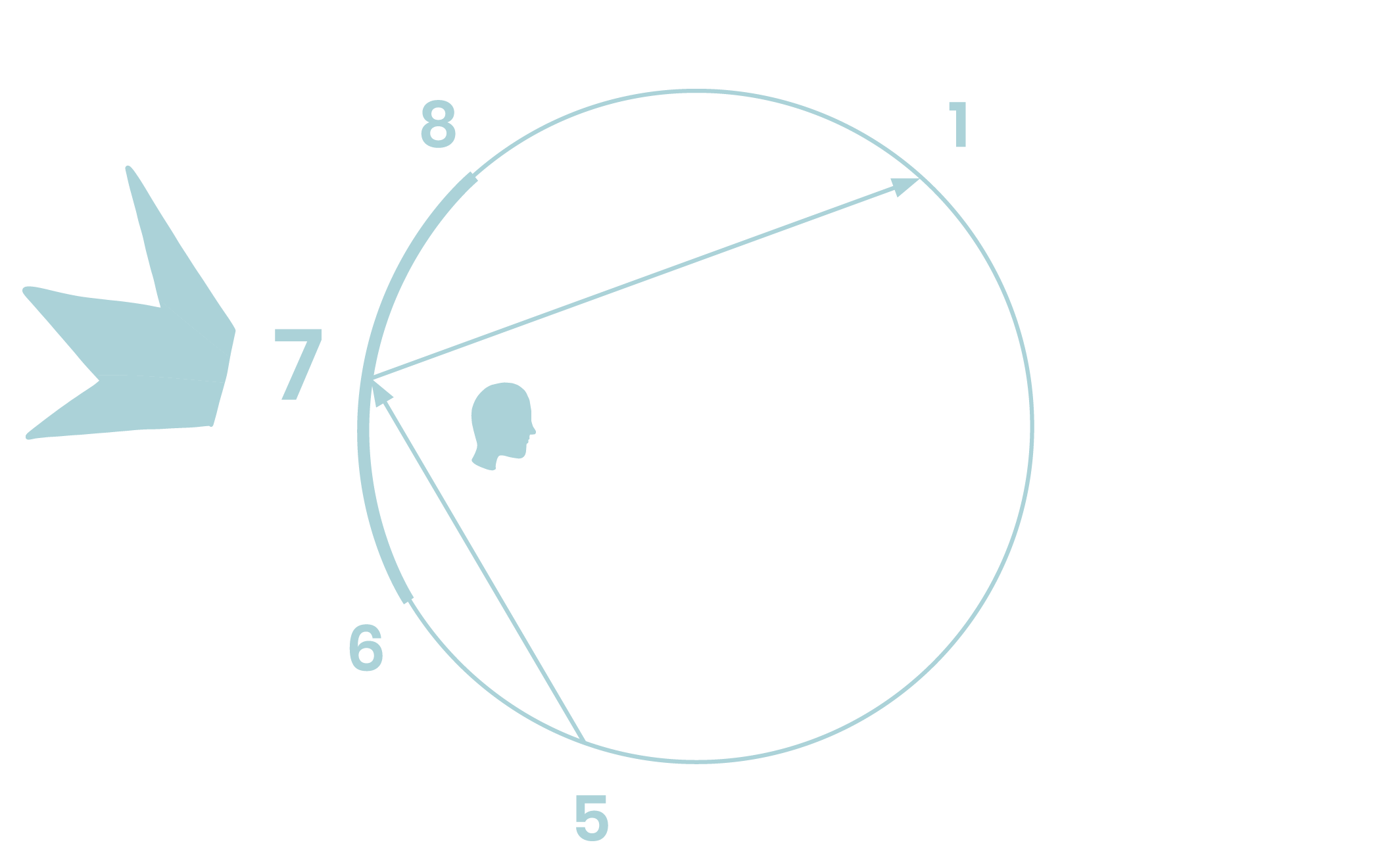
Enneagram Type Sevens move toward Type One when under stress.
This means they can become more critical, rigid, or perfectionistic. The typically spontaneous Seven may tighten up and focus on what’s wrong or what “should be” happening in their ideal, fun world. The Type Seven becomes more visibly irritated than usual and has less patience for others who don’t see the Seven’s vision.
In contrast, Enneagram Sevens move toward Type Five when growing or in times of ease.
This means the Type Seven becomes more focused, thoughtful, and comfortable going deep into one thing rather than skimming the surface of many different things. They also tend to more thoughtfully reflect about the value and long-term consequences of an idea before building upon it. They may also be able to more easily step into solitude.
Type Sevens Subtypes Explained
Many folks know the Enneagram by their dominant type, for example, they might say “I am an Ennea-type 7”.

But inside each of the nine, core Enneagram types, there are three instinctual biases.
This means there are actually three, not one, type of the Enneagram Type Seven. This is also true for all other Enneagram types.
Here are the three instincts:
Do you identify as an Ennea-type Seven? If so, you contain all three of these instincts in your personality.
But only one is dominant, or stronger than the others, making that your subtype.
Self-Preservation (SP)
Known as “Keepers of the Castle,” this subtype tends to be good at getting what they want through networking or building alliances. Pragmatic, opportunistic, self-interested, and cheerful—this type sees relationships as the best way to attain their day-to-day enjoyment. And what’s more enjoyable than enjoying the good life with others?
Social (SO)
Nicknamed “Sacrifice” this subtype expresses a kind of counter-gluttony for the purpose of benefiting others. The Social Seven sees postponing one’s desires for an ideal as a form of pleasure that goes beyond all others. This subtype can look like an Enneagram Two but tends to be more self-focused, whereas an Enneagram Two tends to be others-focused to their own detriment.
(countertype)
Sexual/ One-to-One (SX)
This subtype, nicknamed “Suggestibility,” is gluttonous for things of the higher world of possibility and ideas. In contrast to the more material, earthly pleasures of the Self-Preservation Seven, this subtype is a dreamer with a need to imagine something beyond the constraints of ordinary reality. They engage in many different activities at the same time and are the most likely to live in a fantasy reality supported purely by the confirmation bias of their own optimism.
Enneagram Type Sevens at Work
How to Get the Best Out of a Ennea-type Seven Teammate or Leader
When explaining a project, always start with the big-picture “why” behind it.
Give them the opportunity to bring fun and inspiration to coworkers.
Use a positive-negative-positive framework when having difficult conversations.
Brainstorm with them – they generate powerful ideas.
Encourage follow-through by giving the Type Seven “little treats” for progress and support during a long project.
Practical Somatic & Daily Leadership Practices
What can you do this week knowing this is your Enneagram type?
Embrace limits and boundaries as ways to make a game more fun.
Each day, practice naming an uncomfortable feeling for a few minutes without trying to fix it.
Stay with just one or two ideas all the way through to implementation.
Practice saying “no” to an exciting but unnecessary opportunity.
Slow down and try to analyze an entire situation with both its positive and negative aspects.
Potential Blindspots
Overcommitting to many things and under-delivering on them
Scattering energy across a lot projects and ideas
Over-using optimism to rationalize away negative feelings that need to be felt and worked through
Can have inconsistent empathy with others who are going through a difficult time
Struggling with healthy routines because they don’t find them exciting enough
Growth Questions
At Sway, we subscribe to the age-old wisdom, that the quality of questions we ask in a large part determines the outcome and trajectory of one’s development. In that vein, here are some personal reflection questions for Type Sevens:
What am I most excited about at the moment and what am I avoiding thinking about?
How might the world be different after I stick to a few of my routines?
Where might commitment create more freedom for me, not less?
Who are stable, caring people in my life whom I can trust to tell me when I’m trying to do too much?
What do the people in my life need from me this week to feel that they can trust me?

Self-Leadership Mantra
“I will experience more satisfaction when I can sit in the present as it is. I know when I repeatedly do one thing well, joy deepens instead of disperses. I make meaningful commitments and perform the daily maintenance required to upkeep them. I compassionately hold the suffering of others and my own suffering. I am an optimist and visionary, but I know the true power of my ideas resides in the way those ideas touch those closest to me in my everyday life.”
Learn about other Enneagram Types: