
Enneagram
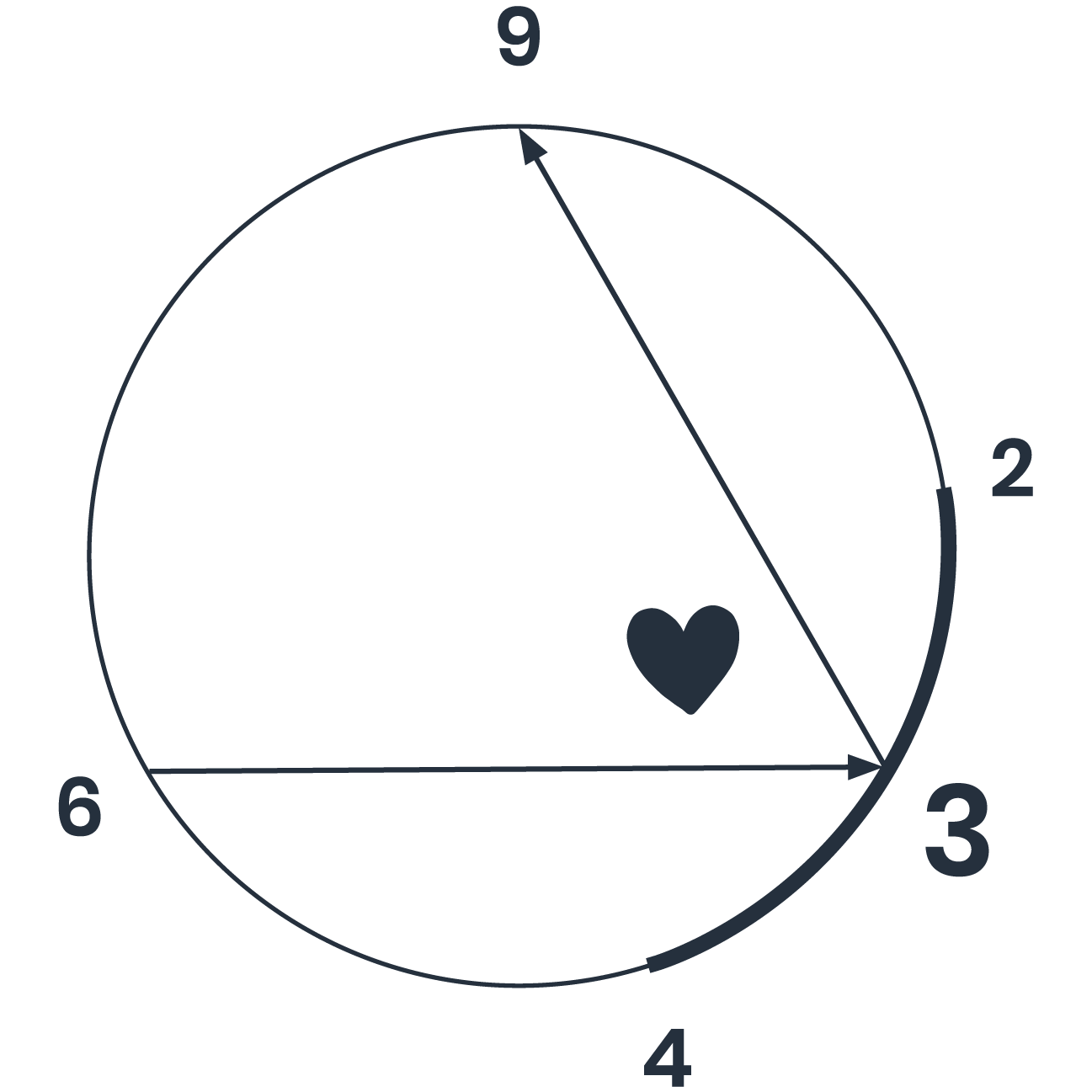
Type 3
Heart type, achievement-oriented
What it’s like being an Enneagram Type Three
Enneagram Type Threes have a strong internal engine that causes them to strive for success and social recognition.
Type Threes focus on achieving goals and becoming the types of people that others admire. This pursuit of success gives them enormous energy to move beyond expectations and makes them highly productive and adaptable to different environments. However, Type Threes can often feel that their worth is directly tied to recognizable accomplishment — causing them to cut corners or pursue projects likely to have immediate short-term results rather than thinking about less-visible, long-term definitions of success. Over time, they may shape-shift so much that they lose touch with their own feelings and sense of identity.

Leadership Strengths
Enneagram Type Threes tend to exhibit the following leadership strengths:
Excellent productivity, perhaps going beyond all other Enneagram types
High adaptability to changing environments and needs, a true chameleon
Strong communication and presentation skills
The ability to quickly gain respect among peers and colleagues

Nicknames
The Achiever
The Performer
The Charmer
Watch Our Panel of Type Threes
See how other Enneagram Threes describe their type:
Type Threes and Self-Deceit
Inside the Heart Intelligence Center, Type Threes are connected to a core struggle with Self-Deceit.
Many Ennea-type Threes don’t consciously shapeshift in order to achieve. Rather, they are so performance-oriented that their instinct for achievement overtakes their ability to self-assess. Productivity becomes protection from existential anxieties or feelings of not being good enough.
Self-deceit for Type Threes often shows up as an inability or unwillingness to check in with their own wants and desires outside of their places of productivity and success. Instead of being able to ask, “What do I want to do over the weekend?”, they may unconsciously choose whatever activity will make them seem most successful or interesting to colleagues during the course of the week. Threes often grew up with the false message that love is earned through achievement, therefore, they learned to secure their relationships by excelling. However, truly successful leaders know how to recognize when their drive is fueled by authentic and aligned inspiration versus when it is fueled by fear and avoidance.



Type Threes’ Arrow Movement
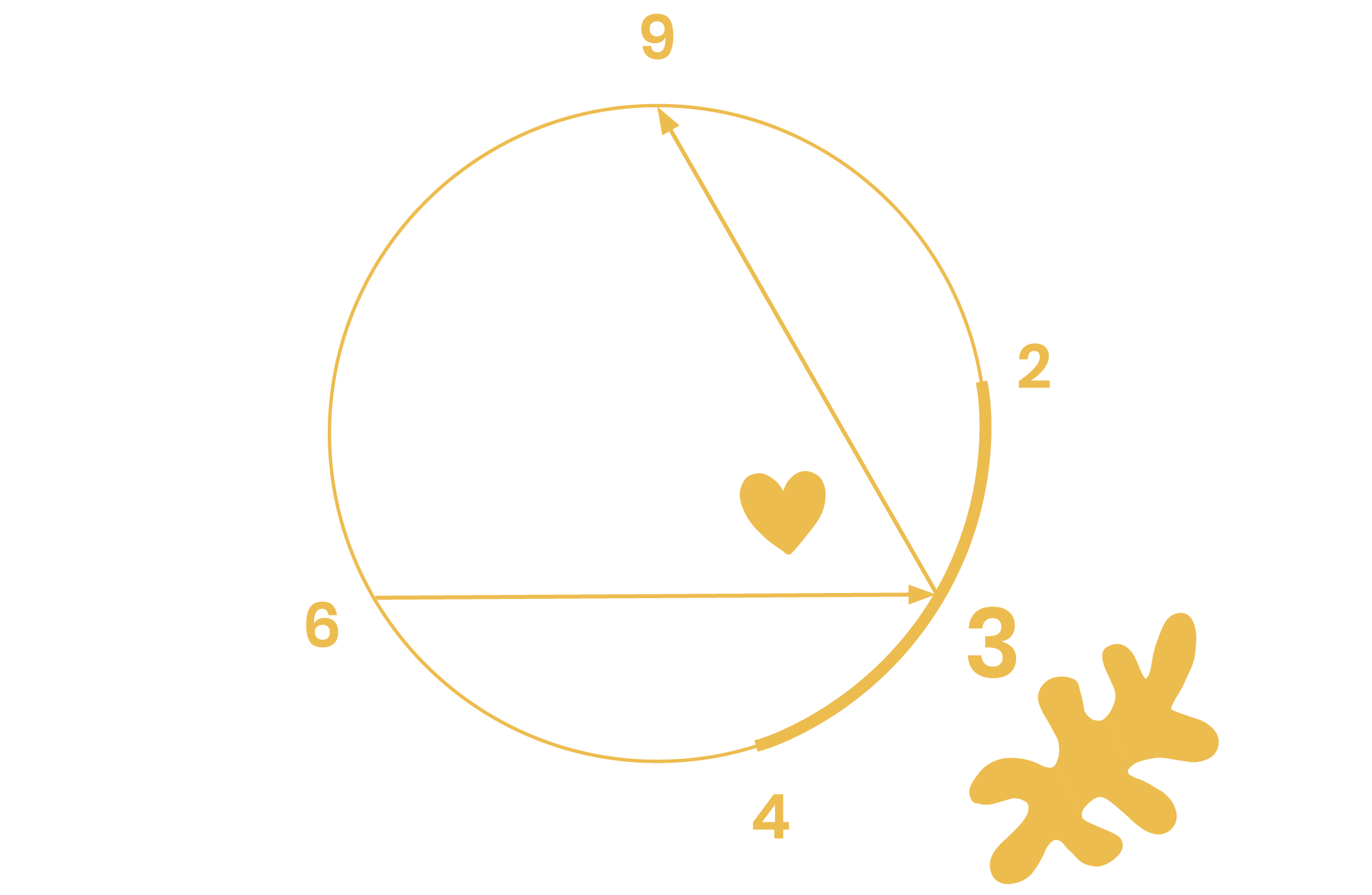
Enneagram Threes move toward Type Nine when under stress.
This means they can become disengaged, procrastinate, or “check out.” After long periods of high output, they may suddenly lose motivation or numb themselves with lethargy. This movement is often accompanied by emotional shutdown, difficulty prioritizing, and passive resistance to taking any meaningful action in their lives.
In contrast, Enneagram Threes move toward Type Six when growing or in moments of ease. This means they become more relaxed, collaborative, and loyal. Rather than competing or performing solo, they begin valuing shared success and mutual support over individual gains. Growth may look like slowing down to consult others, building long-term trust over quick wins, showing vulnerability with their team, and valuing stability over constant upward mobility.
Type Three Subtypes Explained
Many folks know the Enneagram by their dominant type, for example, they might say “I am an Ennea-type 3”.

But inside each of the nine, core Enneagram types, there are three instinctual biases.
This means there are actually three, not one, type of the Enneagram Type Three. This is also true for all other Enneagram types.
Here are the three instincts:
Do you identify as an Ennea-type Three? If so, you contain all three of these instincts in your personality.
But only one is dominant, or stronger than the others, making that your subtype.
Self-Preservation (SP)
This subtype tries to transcend vanity by having no vanity. They want to be admired by others but avoid noticeable forms of public recognition. They want to actually be a good person and might be mistaken for a Type One, seeking to match the perfect model of what a good person looks like. They pursue virtue, work hard, and can be extremely productive.
(countertype)
Social (SO)
This subtype focuses on achievement in the service of looking good and getting the job done. They desire to be seen by people and actively desire public influence (this is how the social instinct and vanity passion mix for this subtype). They enjoy being in the spotlight and know how to climb the social ladder to achieve success. This is typically the most competitive and aggressive of the Type Threes.
Sexual/ One-to-One (SX)
Achievement for this subtype usually shows up in the forms of personal attractiveness and supporting others. Vanity is not denied (SP3) nor embraced (SO3) but something in-between. This subtype creates an attractive image of themselves but wants to be a little bit more in the background as they promote close others and push them into the spotlight. They think a lot more about achieving success for their immediate family or team.
Enneagram Type Threes at Work
How to Get the Best Out of a Ennea-type Three Teammate or Leader
Publicly acknowledge accomplishments in a way that foregrounds collaboration with others or acknowledges who they are beyond mere achievement.
Invite them to share how they’re feeling outside of just work-related matters.
Know that they might take micro-managing as a personal insult.
Pay attention to when the Type Three might cut corners on a project.
Practical Somatic & Daily Leadership Practices
What can you do this week knowing this is your Enneagram type?
Take “mindfulness breaks” in the midst of busy workdays to ensure you are acting authentically and in the best interests of the project and not just achieving for the sake of achieving.
Try to define success internally before seeking it externally.
Engage with the person in front of you instead of allowing yourself to be distracted by tasks.
Slow down your pace a little in order to communicate more thoroughly and think through your ideas more.
Notice how your body reacts to receiving both negative and positive feedback.
Potential Blindspots
Prioritizing recognizable, social forms of success over quieter, less-noticed ones
Struggling to slow down, even when you know the project would turn out better if you did
Valuing productivity over emotional connection
Avoiding vulnerability / not seeing how your strengths become more potent with access to deeper emotions.
Growth Questions
At Sway, we subscribe to the age-old wisdom, that the quality of questions we ask in a large part determines the outcome and trajectory of one’s development. In that vein, here are some personal reflection questions for Type Threes:
What feelings do I avoid by staying busy?
Where might slowing down actually increase my impact?
What relationships need my presence, not my performance?
Where does my orientation toward success become a superpower? And where does it get in the way?
What would I want in a world where all accomplishments are ranked the same?
Self-Leadership Mantra
“Real, true success takes time. Constant motion gives the feeling of productivity but is not an actual marker of value or anything good. I am more than outcomes and applause. I can succeed without losing myself in my work and what I do. Connection to myself and others matters just as much to me. After everything I’ve achieved, what will be left is the quality of my relationships, including my relationship to myself.”
Learn about other Enneagram Types: