
Enneagram
Type 4
Heart type, authenticity-oriented
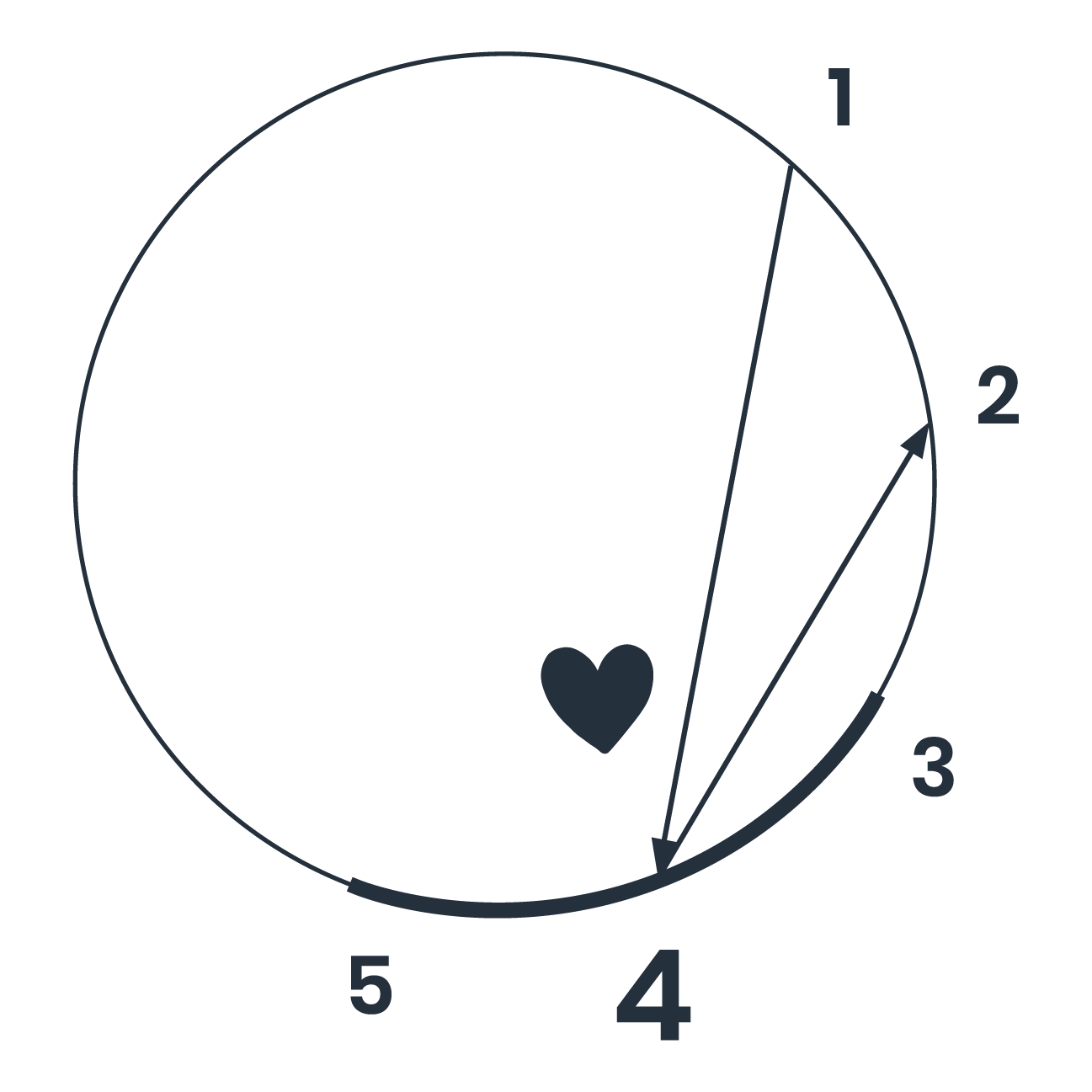
What it’s like being an Enneagram Type Four
Enneagram Type Fours have a strong sensitivity toward authentic expression that causes them to search for meaning and individual identity.
Type Fours are focused on understanding who they truly are and expressing that uniqueness in the world. This pursuit of authenticity gives them depth, emotional richness, and the ability to move beyond surface-level interactions in pursuit of emotionally convincing truth. However, Type Fours also frequently feel like something essential is missing (both in them and in the world) and this can cause them to view situations more negatively. Their desire to be unique can also cause them to distance themselves from ordinary experiences or even people who seem “less deep.”

Leadership Strengths
Enneagram Type Fours tend to exhibit the following leadership strengths:
The ability to see beneficial creative constraints in the bleakest situations
Comfort with complexity, nuance, and ambiguity
When healthy, can be among the most emotionally solid of all Enneagram types
The ability to articulate the unspoken feelings of a group
Authentic presence that invites others to be real

Nicknames
The Individualist
The Romantic
The Artist
Watch Our Panel of Type Fours
See how other Enneagram fours describe their type:
Type Fours and Envy
Inside the Heart Intelligence Center, Type Fours are connected to the core emotion of Envy.
For the Type Four, envy is less about jealousy in regard to material objects and more often has to do with a sense that something is missing within themselves. They may unconsciously believe that others possess superior qualities or have easier lives.
Type Fours often grow up with the sense that something was slightly off or inherently wrong with them. They then take those feelings of being peculiar and turn them into a drive for significance and identity. Envy enters the mix because the Type Four typically finds this identity and significance through contrast with others’ individual attributes.
Envy can come out as either a false superiority (“At least, I am not like them”) or a false inferiority (“I wish I was as [insert quality] as they are”) — often with a quick shuttling back and forth between the two.
Successful Type Four leaders maneuver around envy by using their natural emotional depth while also having some “more objective” measure by which to evaluate performance. This process often includes a lot of personal reflection and building long-term trust with specific others.



Type Fours’ Arrow Movement
Enneagram Fours move toward Type Twos when under stress.
This means they can become more people-pleasing, have fewer relationship boundaries, and become more dependent upon outside validation.
In contrast, Enneagram Fours move toward Type One when growing or in moments of ease. This means they become more disciplined, rule-based, and action-oriented. Rather than staying immersed in an interior emotional realm, they channel their insight into structured and programmatic effort with a clear goal on the other end. When this happens, Type Fours possess leadership qualities that make them the perfect mix of creative, solutions-based, and orderly.
Type Four Subtypes Explained
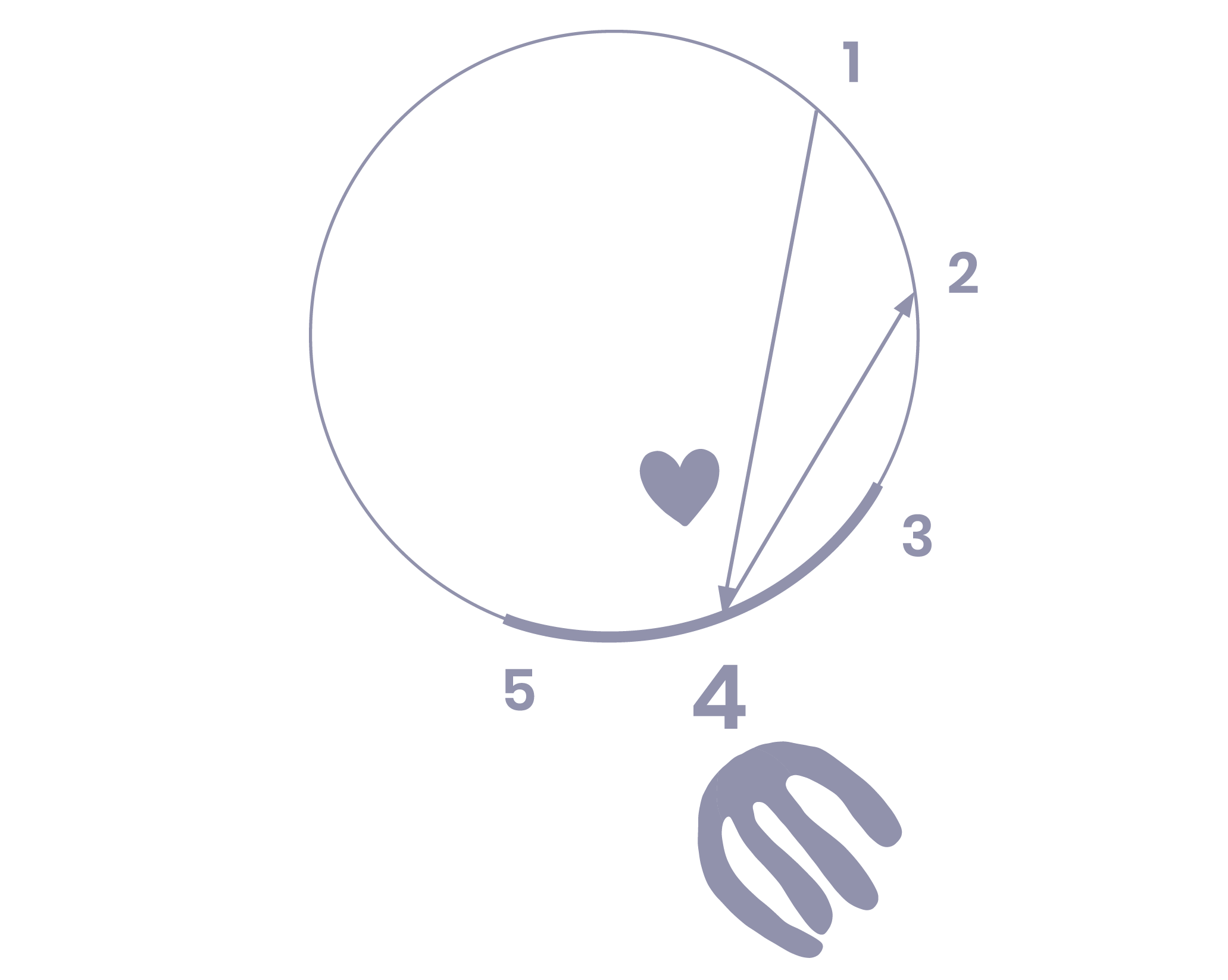
Many folks know the Enneagram by their dominant type — for example, they might say, “I am an Ennea-type 4.”
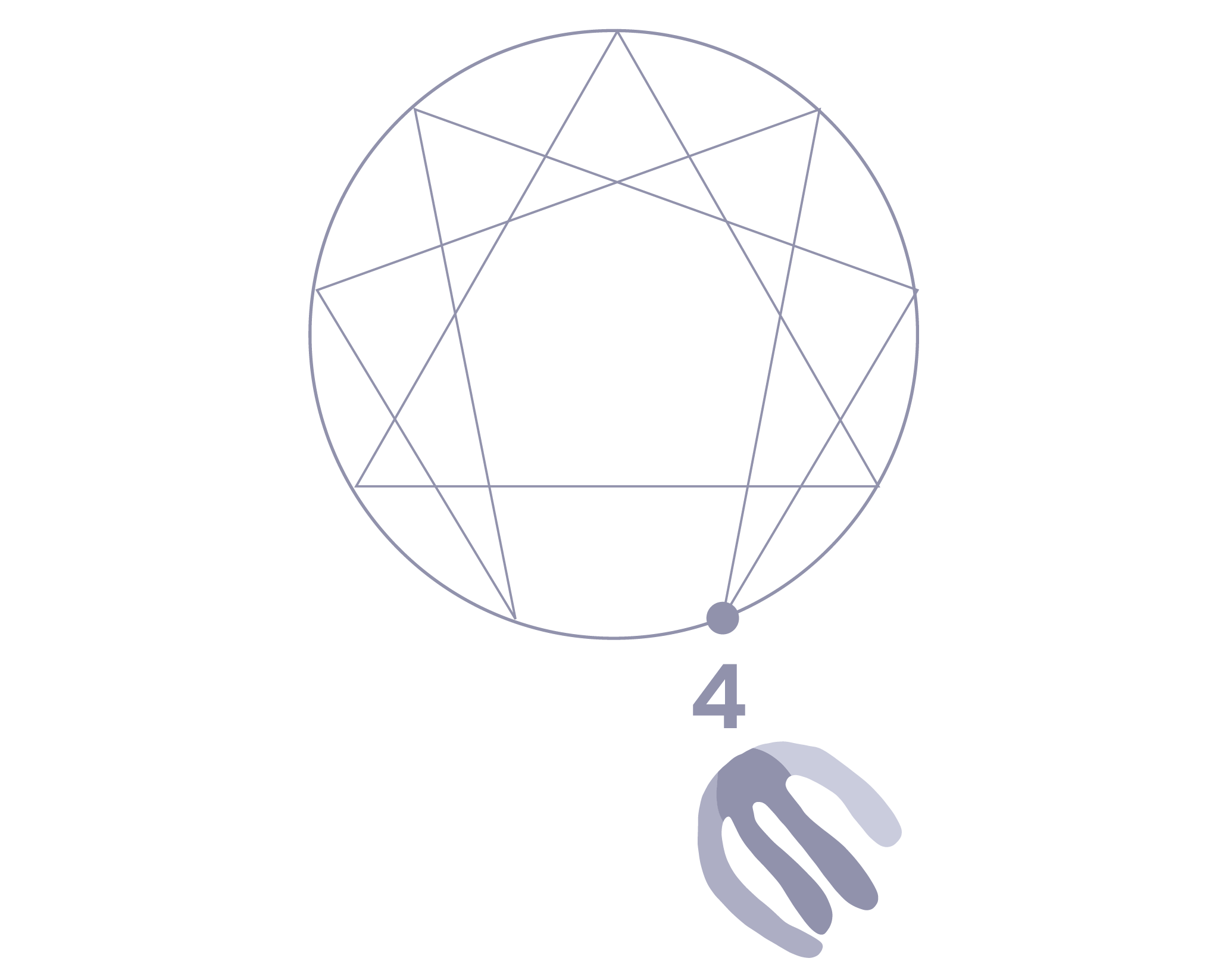
But inside each of the nine, core Enneagram types, there are three instinctual biases.
This means there are actually three, not one, type of the Enneagram Type Four. This is also true for all other Enneagram types.
Here are the three instincts:
Do you identify as an Ennea-type Four? If so, you contain all three of these instincts in your personality.
But only one is dominant, or stronger than the others, making that your subtype.
Self-Preservation (SP)
This type is named “Tenacity” and is known for their long-suffering. This means their expression of internal pain comes off as more stoic than other Type Fours. Instead of dwelling in envy, the SP4 acts out by working hard to get what others have. They don’t share much of themselves with others, except for a trusted few. SP4s also tend to be more masochistic than melodramatic, and they demand a lot of themselves.
(countertype)
Social (SO)
The social type suffers more, feels more shame, and is more sensitive than the SX4 or SP4. The envy of this type comes out by seducing others into meeting the SO4’s needs by intensifying their pain. For them, there is a comfort in melancholy, and they can often take a victim role. Instead of competing, the SO4 often compares themselves only in order to find themselves inferior. This subtype is nicknamed “Shame” for their overwhelming access to that emotion.
Sexual/ One-to-One (SX)
More shameless than shameful, the SX4 expresses their needs more explicitly and can be more demanding of others. This type outwardly seeks to be the best and envy often comes out as competition. SX4’s make others suffer as an unconscious way of ridding themselves of painful feelings of deficiency. Their feeling of inner lack can be expressed as anger. The nickname of this subtype is “Competition.”
Enneagram Type Fours at Work
How to Get the Best Out of a Ennea-type Four Teammate or Leader
When affirming this type, be specific on what their unique contribution to your team and the world might be.
Leave space for the four to express how they are feeling in a workplace.
Provide structure into their workday without dismissing their individuality.
Give this type the opportunity to experiment with new projects.
Be direct rather than overly clinical in feedback.
Check-in on them frequently and provide actionable milestones to help them to see the project through.
Practical Somatic & Daily Leadership Practices
What can you do this week knowing this is your Enneagram type?
Throughout the day, take a second to step back and evaluate your emotions from a cognitive perspective.
Practice finding beauty in the routine and ordinary things of work.
Create small, actionable items to structure your work day.
Leverage your emotional wisdom to cultivate a culture of psychological safety and genuine relationships.
Be patient with others who don’t seem to feel as much as you do, and who may be more task-driven.
Potential Blindspots
May over-identify with their feelings
May mistake being “real” or “authentic” with being objective
May procrastinate doing necessary work until they feel like it
Attention can naturally go toward what is missing
May struggle with consistency and follow-through
Growth Questions
At Sway, we subscribe to the age-old wisdom that the quality of questions we ask largely determines the trajectory of our development. In that vein, here are some personal reflection questions for Type Fours:
What story am I telling myself about what’s missing?
When does my depth serve a higher good — and when does it merely isolate me?
Where might joy be simpler than I imagine
What do emotions feel like when they are part of my experience but not “driving the car”?
What practical structures do I need to allow for creativity and get things done.
Self-Leadership Mantra
“I am in charge of my emotions and not the other way around. When I feel something, I have the option to cognitively assess and ask what is the best use for that emotion — knowing that any emotion is, ultimately, a gift. I do not have to be extraordinary to be worthy. By integrating my individuality with others, I become part of a greater whole and can create more authentic and powerful work that benefits everyone. I am allowed to be average because merely being human is beautiful.”
Learn about other Enneagram Types: