
Enneagram
Type 8
Body type, dominance-oriented
What it’s like being an Enneagram Type Eight
Enneagram Type Eights have a strong instinctual assertiveness that drives them to protect themselves (and others) and to generally be in control.
Type Eights are focused on autonomy and impact. Their gut-level assertiveness gives them boldness, decisiveness, and a willingness to confront quickly what others often avoid. Due to these qualities, this type often voices their opinions and is likely to protect the vulnerable and loudly challenge injustices. Type Eights have an underlying fear of being controlled, betrayed, or harmed in any way, and this can cause them to be overactive with their emotional armor – suppressing perceived vulnerabilities and/or taking action when they aren’t as qualified to do so.

Leadership Strengths
Enneagram Type Eights tend to exhibit the following leadership strengths:
Willingness to act decisively, especially when it matters most
An aptitude for knowing how to empower and mobilize others
Clear and direct communicator
Protective loyalty toward the team and company

Nicknames
“The Challenger,” “The Protector,” or “The Strongman/women.”
Watch Our Panel of Type Eights
See how other Enneagram eights describe their type:
Types Eights and Lust
Inside the Body Intelligence Center, Type Eights are connected to a core struggle with lust.
The lust attributed to the Ennea-type Eight is centered on the Type Eight’s need for intensity and action. Eights have an immense drive toward intensity that activates even in situations when intensity isn’t warranted. This can prove especially difficult in situations when stepping back and waiting and trusting others is the thing that is needed. Whether it involves work, relationships, food, hobbies or anything else, the Type Eight tends to believe it is better to act prematurely rather than be acted upon. This can lead them to precarious situations in which they cause difficulty for themselves and others when waiting and not-acting would have led to a better outcome.
For successful leaders, discernment and a trust in the good-nature of others becomes important. While there are certainly bad actors in the world, there are also many who do everything within their power for the good of all living creatures. By remembering this, the Type Eight gains the ability to soften and be vulnerable when it matters most – becoming disarming and generous leaders that inspire (rather than demand) that others follow.



Type Eights’ Arrow Movement
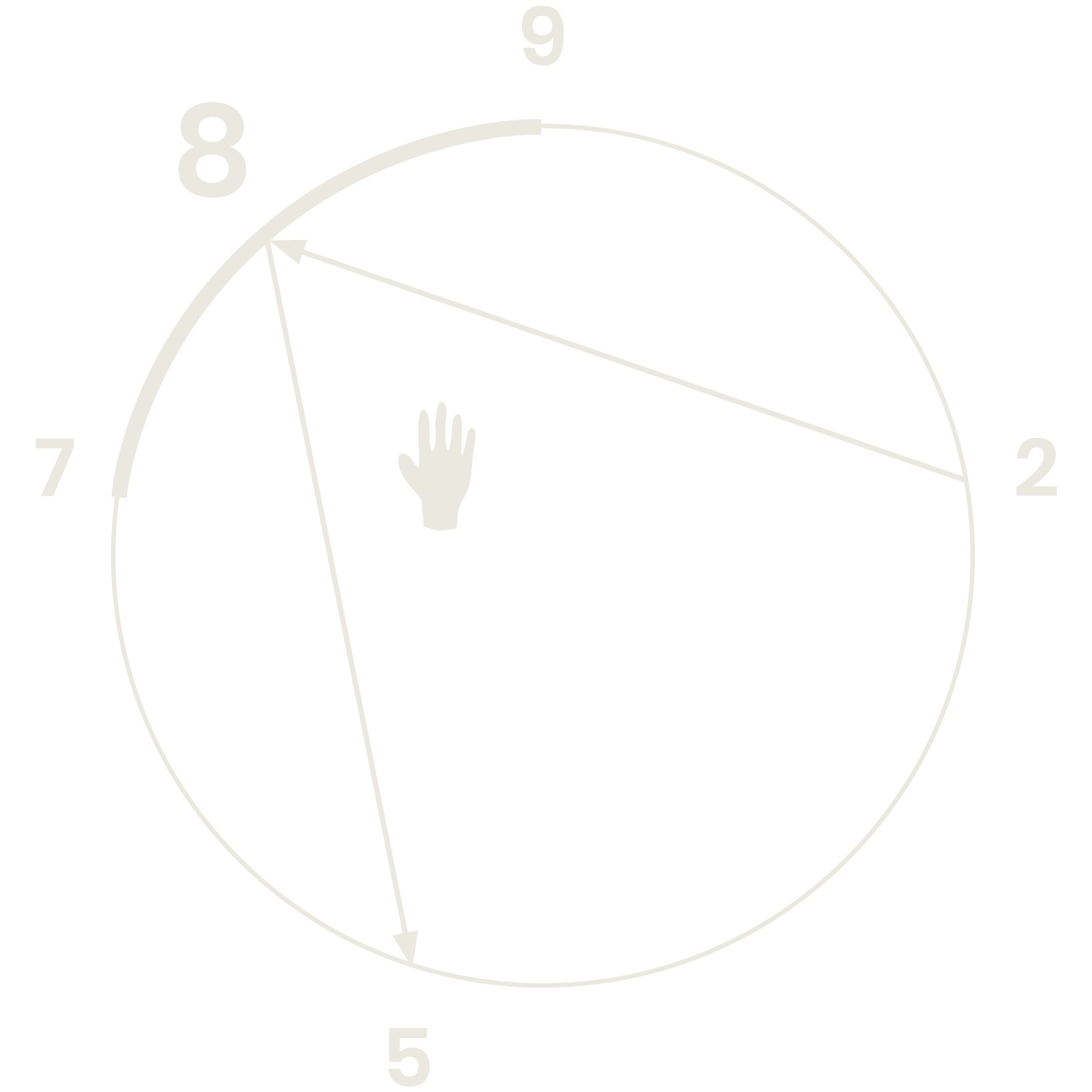
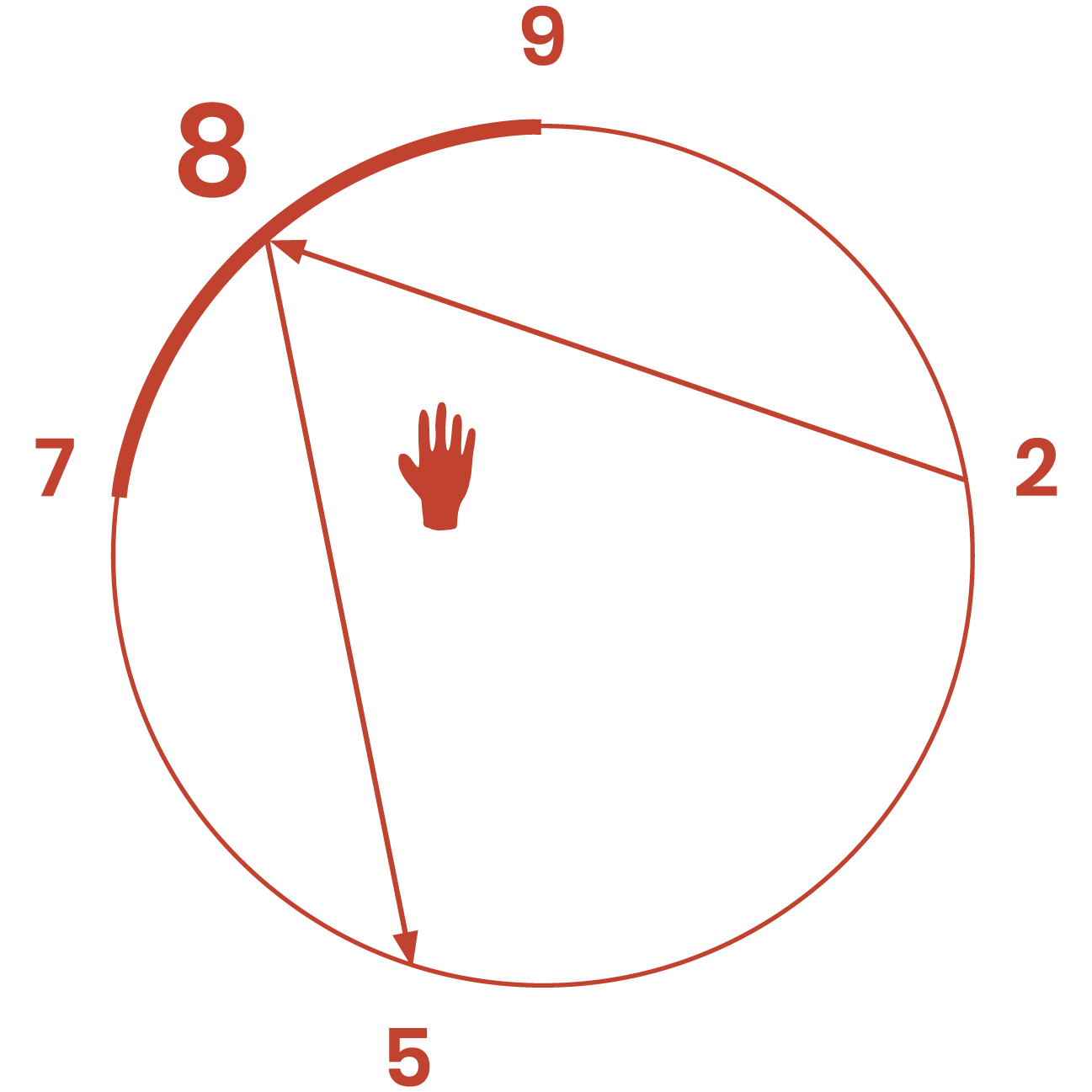
Enneagram Eights move toward Type Five when under stress.
This means they can withdraw, become more guarded, or retreat into strategic thinking. The typically outward-facing Eight may pull back to emotionally distance themselves and conserve energy. This is often a sign of cynicism or distrust of others and typically occurs in situations in which they fear being overpowered or action being useless.
In contrast, Enneagram Eights move toward Type Two when growing or in moments of ease.
This means they become more humble, generous, and openly caring. Rather than leading with bold strength, they allow warmth to bubble up in a way that others can see. Often this looks like expressing appreciation, revealing vulnerable information about themselves, and generally trusting others to take care of them.
Type Eight Subtypes Explained
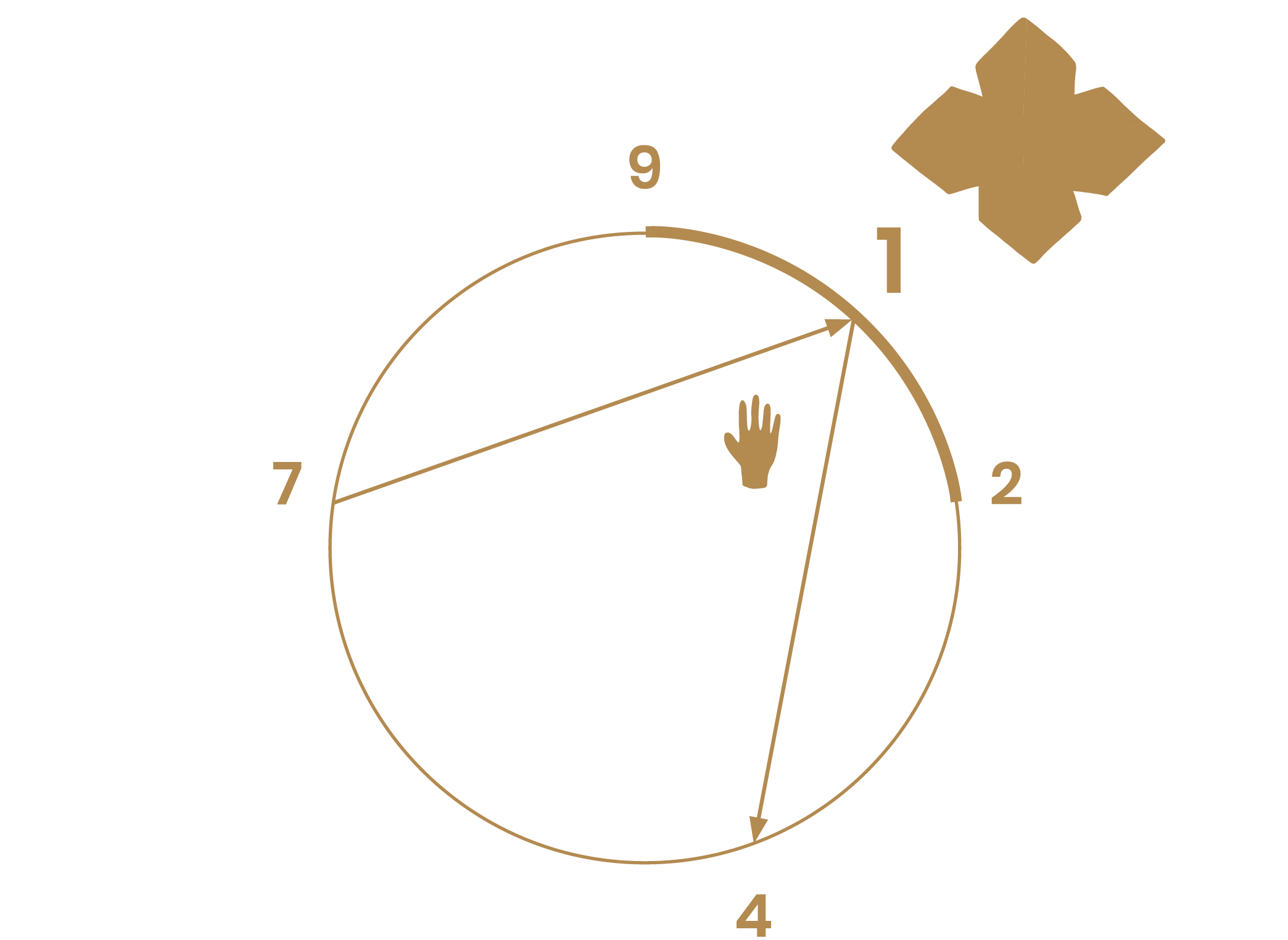
Many folks know the Enneagram by their dominant type, for example, they might say “I am an Ennea-type 8”.
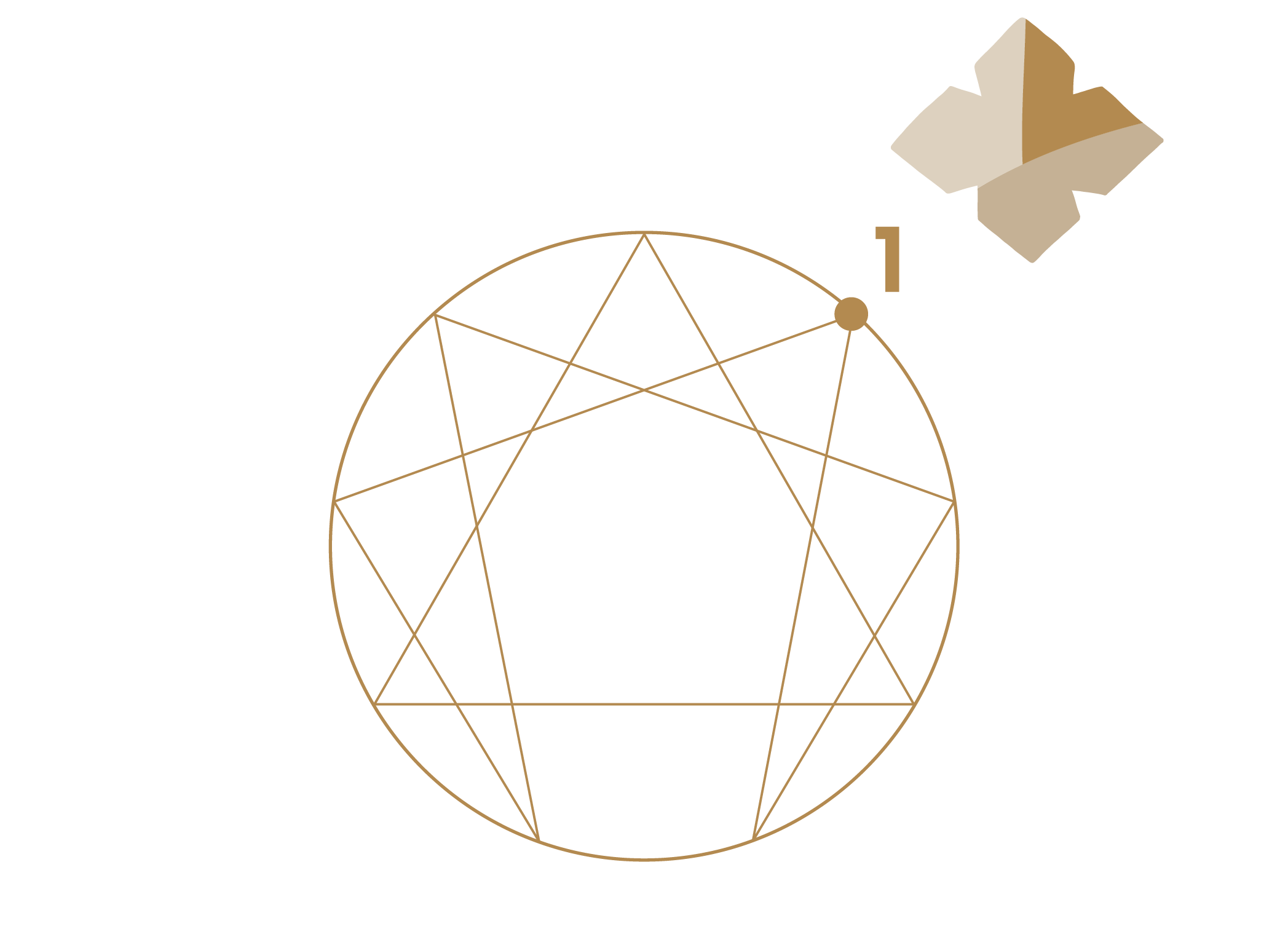
But inside each of the nine, core Enneagram types, there are three instinctual biases.
This means there are actually three, not one, type of the Enneagram Type Eight. This is also true for all other Enneagram types.
Here are the three instincts:
Do you identify as an Ennea-type Eight? If so, you contain all three of these instincts in your personality.
But only one is dominant, or stronger than the others, making that your subtype.
Self-Preservation (SP)
Nicknamed “Satisfaction,” this subtype expresses lust through a strong control over their material needs. This type tends to be the most emotionally reserved and socially quiet compared to other Eight subtypes. The Self-Preservation Eight also has the least tolerance for not having certain material goods in their life – going to extreme lengths to get certain material pleasures or needs.
Social (SO)
The Social Eight subtype is a conflicting mix of highly social and highly anti-social behaviors. This subtype expresses lust and aggression in the service of others. Sometimes called “Solidarity,” this type is “social” when it comes to the injustices that happen to others, yet “anti-social” with regard to the rules of society or general respectfulness. This type can be more outwardly friendly and warm compared to other Eight subtypes, being confused for a Type Nine or a Type Two.
(countertype)
Sexual/ One-to-One (SX)
With the audacious nickname of “Possession,” this subtype is the most attention-grabbing of the Eight subtypes. When they enter a room, the whole environment and energy changes. They are the most likely subtype to be explicitly rebellious and state opinions wildly different from the social norm. They do this because they like to provoke and attempt to secure emotional and material needs by being the loudest presence in the entire social scene.
Enneagram Type Eights at Work
How to Get the Best Out of a Ennea-type Eight Teammate or Leader
Be direct, don’t sugarcoat, and stand your ground respectfully.
Practice matching the Type Eight’s energy and tone.
Remember that challenging and intellectually sparring can be a playful activity.
Reach out to this type to make sure they aren’t overextending themselves.
Ask questions that build trust and help this type connect to their emotions.
Practical Somatic & Daily Leadership Practices
What can you do this week knowing this is your Enneagram type?
Slow down and meet people in the middle – not everyone moves as quickly as you.
Be mindful of your tendency to break rules and make sure you are cooperating well.
Notice when you’re beginning to feel vulnerable and try to be okay with it.
Recognize when others don’t seem to enjoy conflict as a form of connection.
Notice where/when intensity rises in your body and write it down.
Potential Blindspots
Overpowering quieter voices
Provoking unnecessary conflict due to an impulse to “just do something”
Writing off others as “weak” due to their demeanor
Acting in situations where it would be better to wait and gather more information.
Growth Questions
At Sway, we subscribe to the age-old wisdom, that the quality of questions we ask in a large part determines the outcome and trajectory of one’s development. In that vein, here are some personal reflection questions for Type Eights:
When are times it actually benefits me to be vulnerable?
If I slowed down, what things or people would I want to more deeply invest in?
What do I feel when I sit in silence for 5 minutes?
What are ways I can show softness to the people in my life whom I care about?
Which other people can I trust to take the lead?
Self-Leadership Mantra
“I work really hard at being good, and I do enough. Masterpieces are shaped by intention and time, not by flawlessness. Great leadership does not require relentless self-correction—it just requires my regular presence, integrity, and trust. By softening my incessant inner critic, I can create a space for hearing my own authenticity. Doing this will allow me to lead from wholeness, resilience, and beauty.”
Learn about other Enneagram Types: